
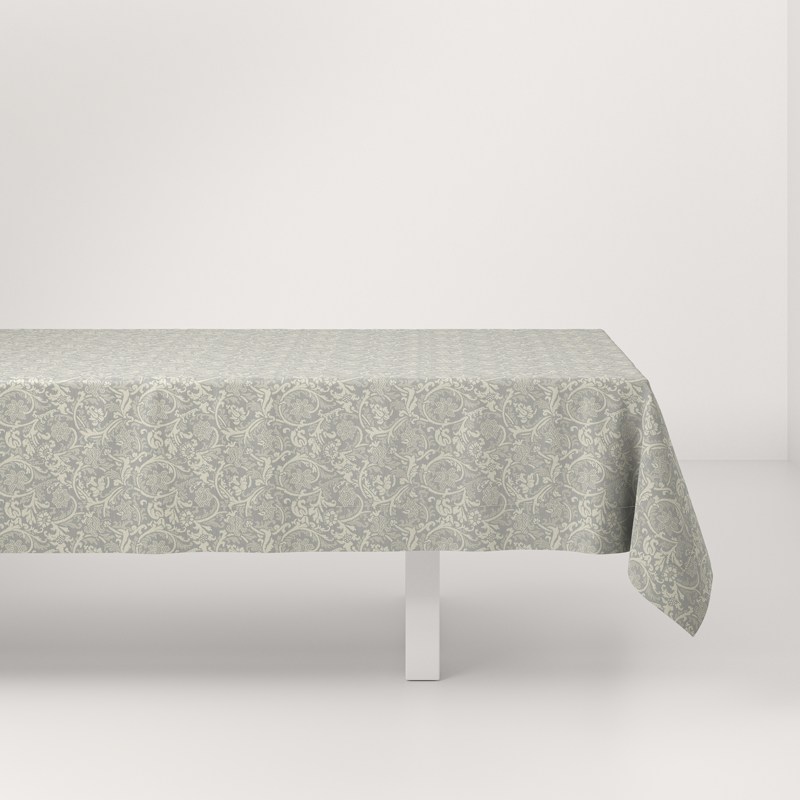
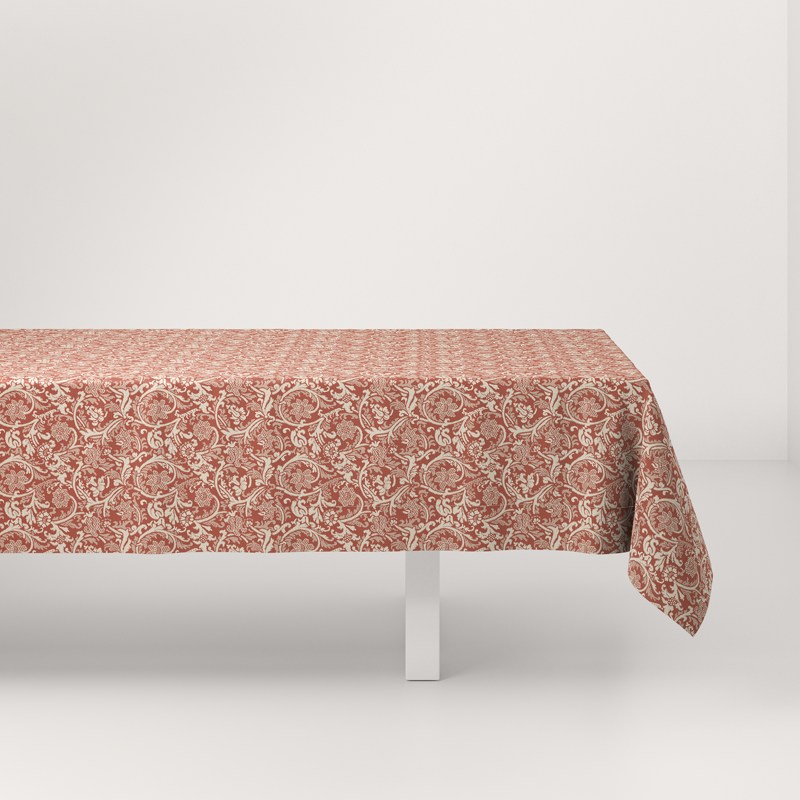
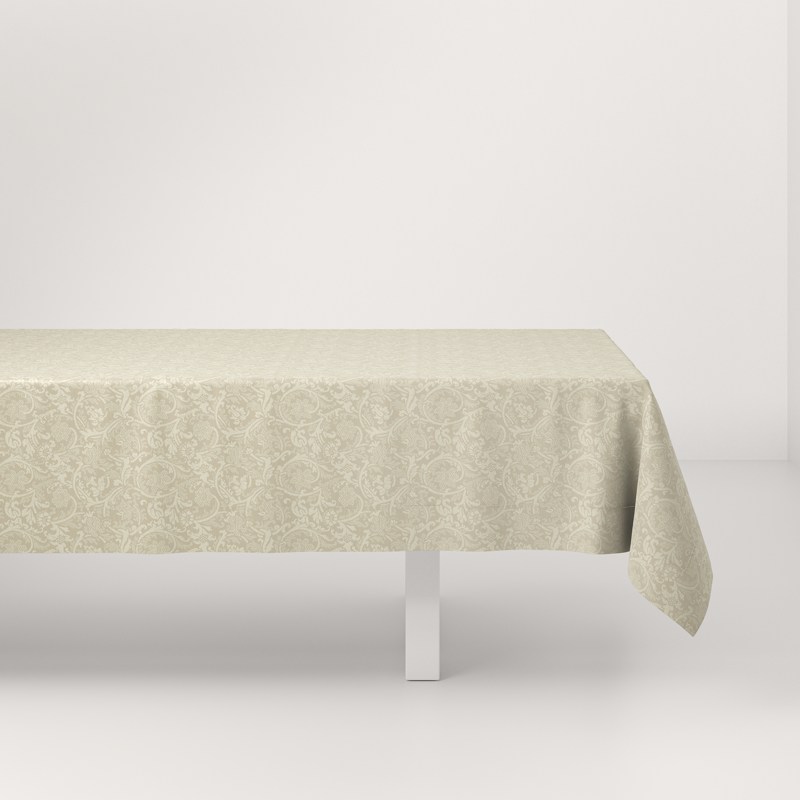
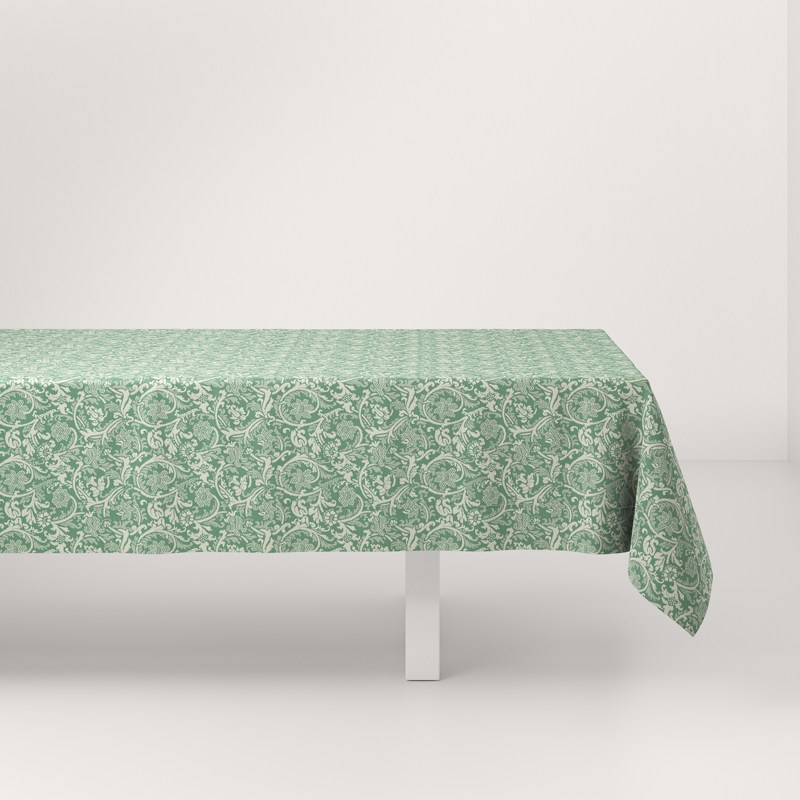
19,00 € – 712,00 €Price range: 19,00 € through 712,00 €
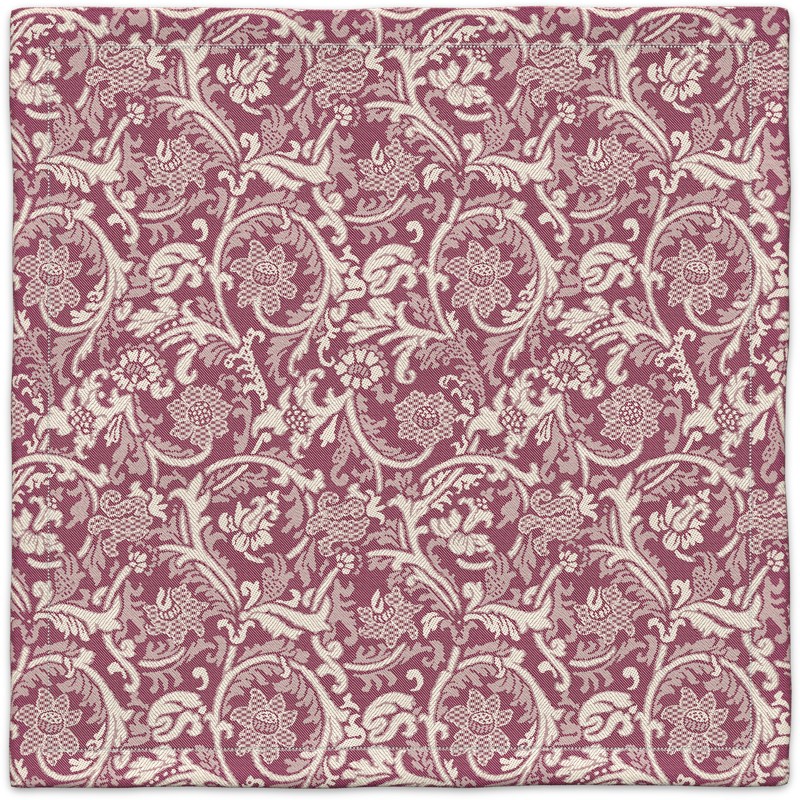
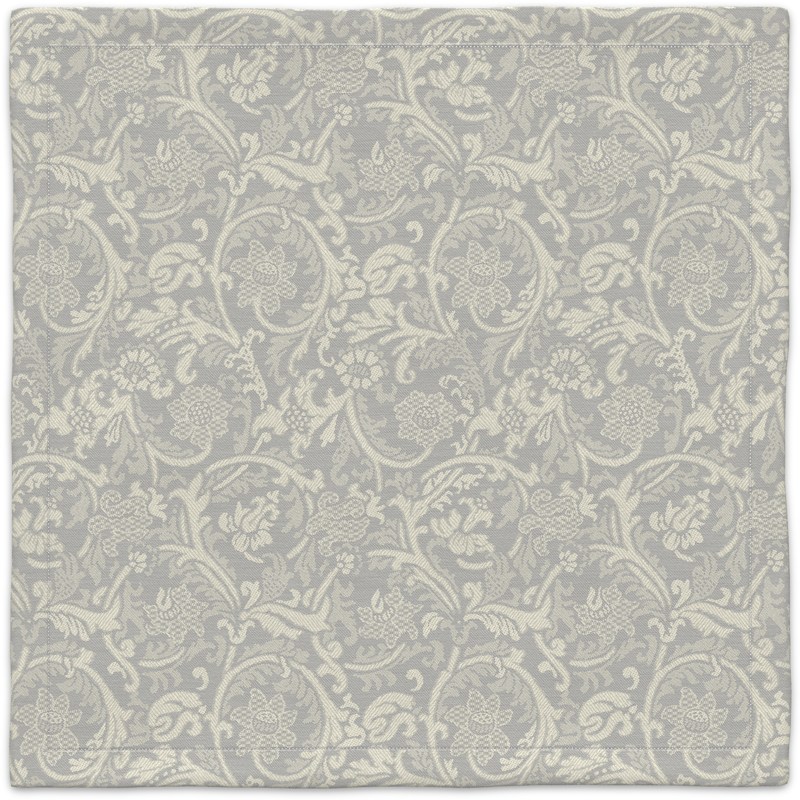
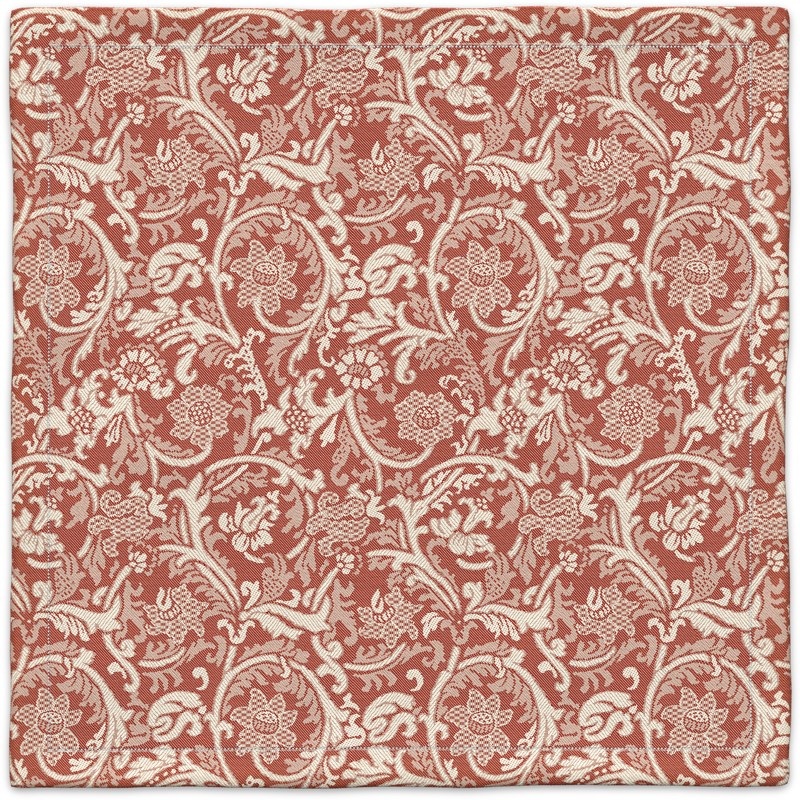
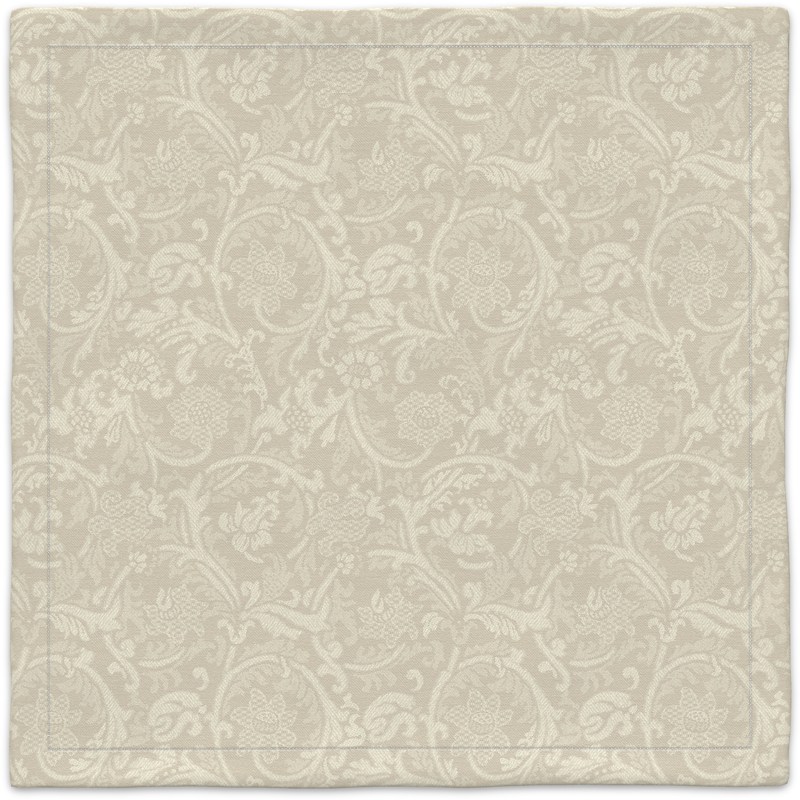
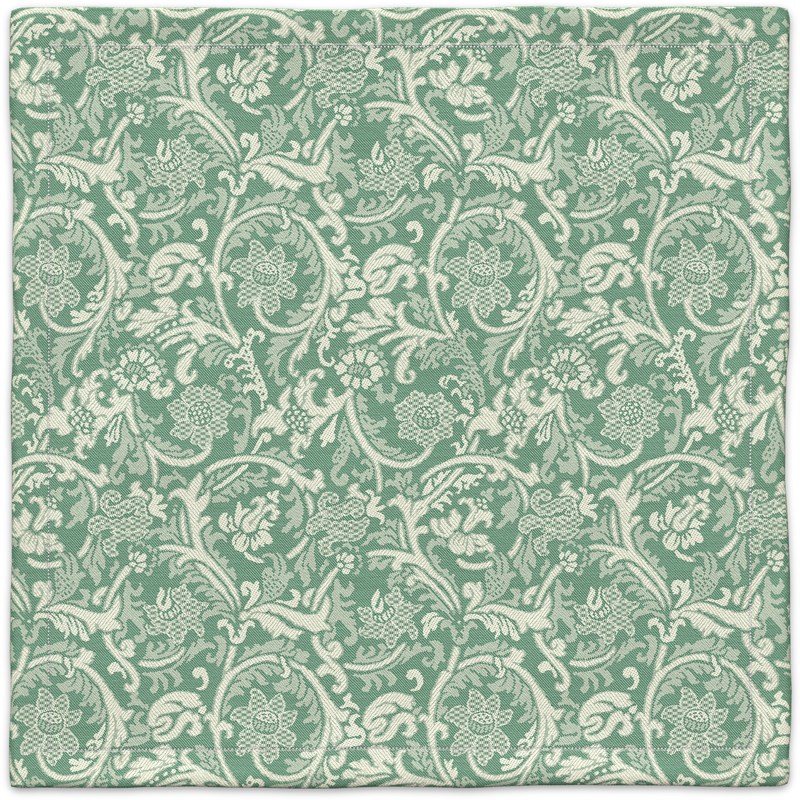
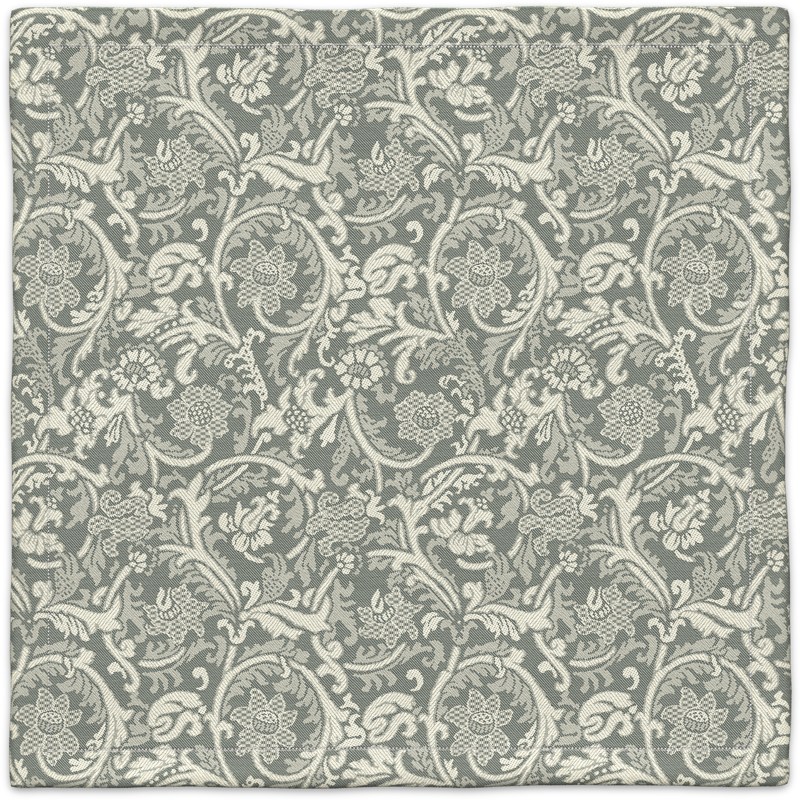
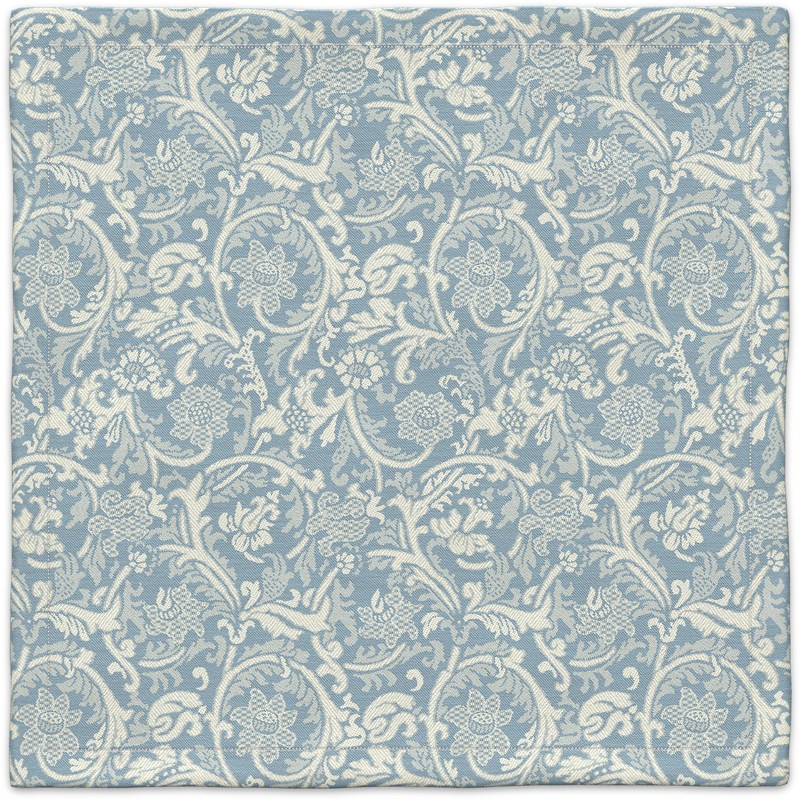
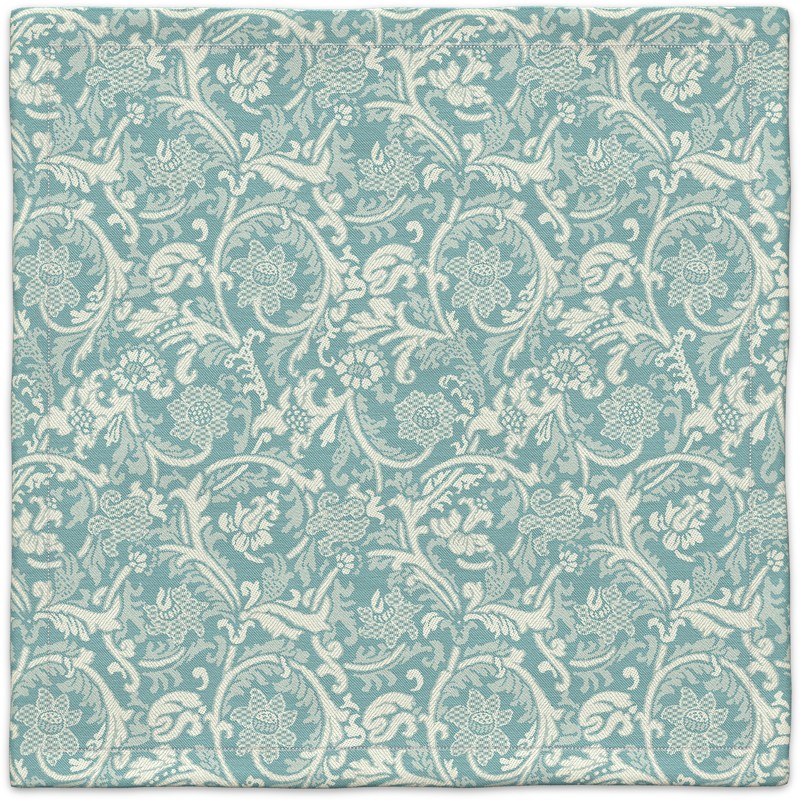
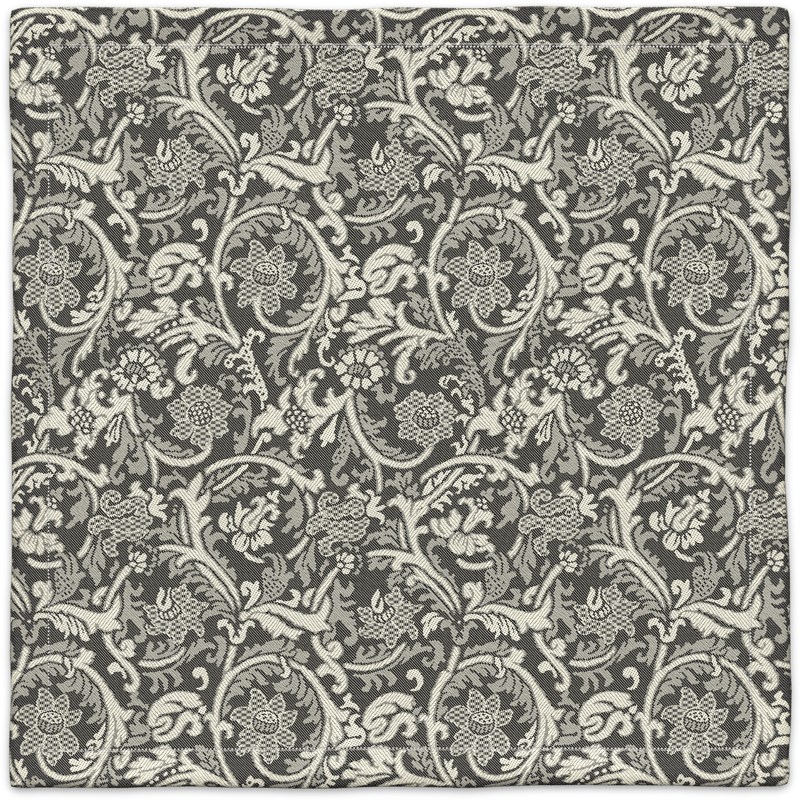
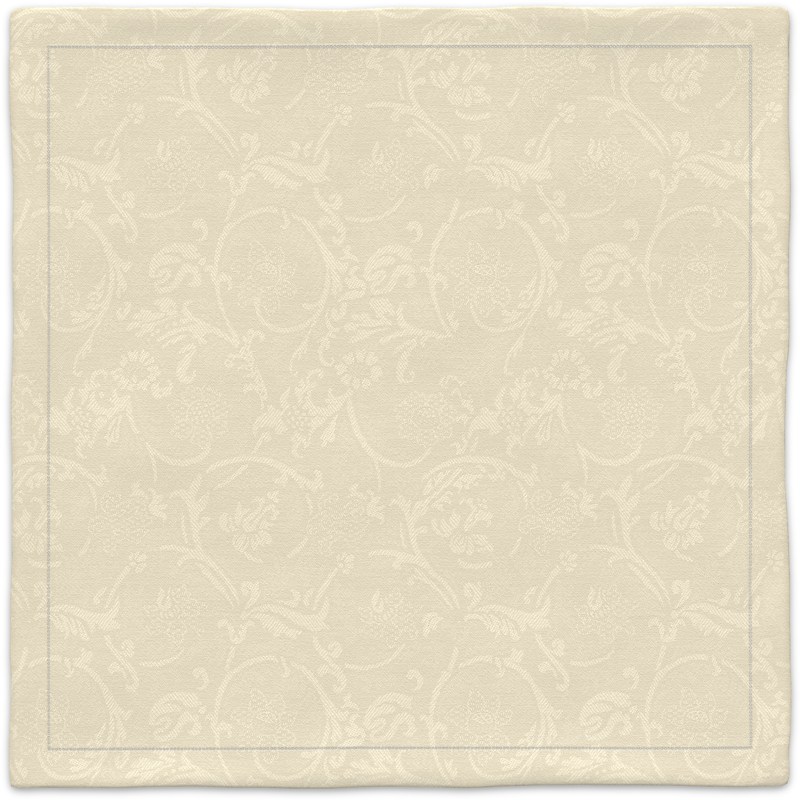
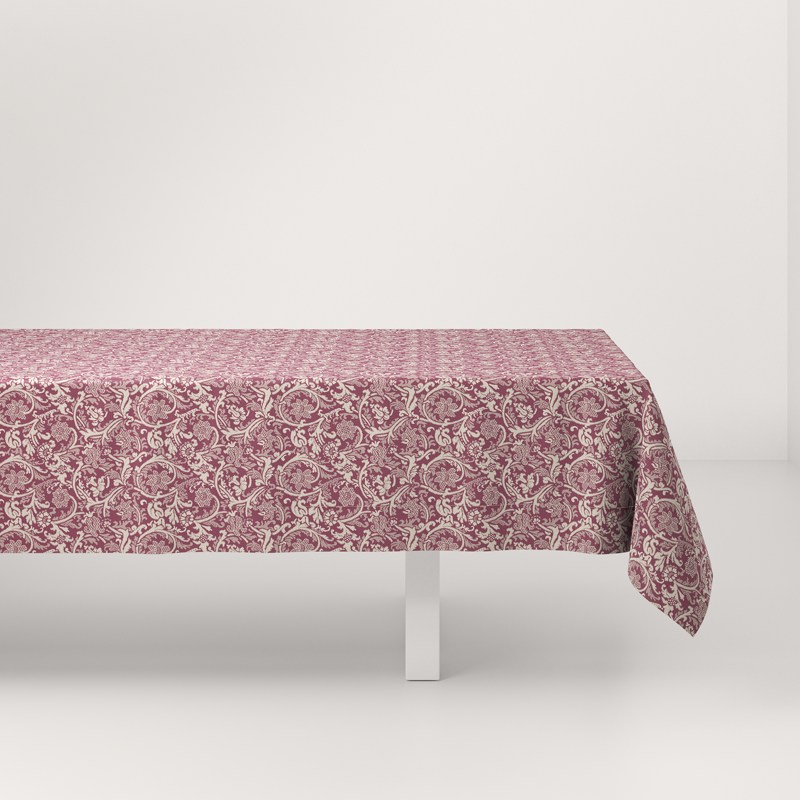
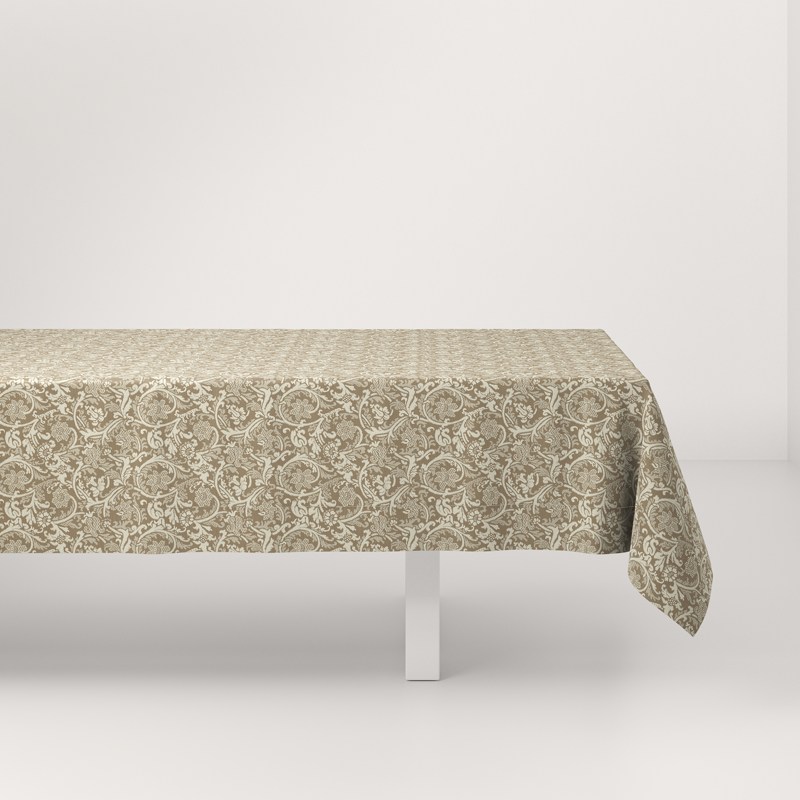
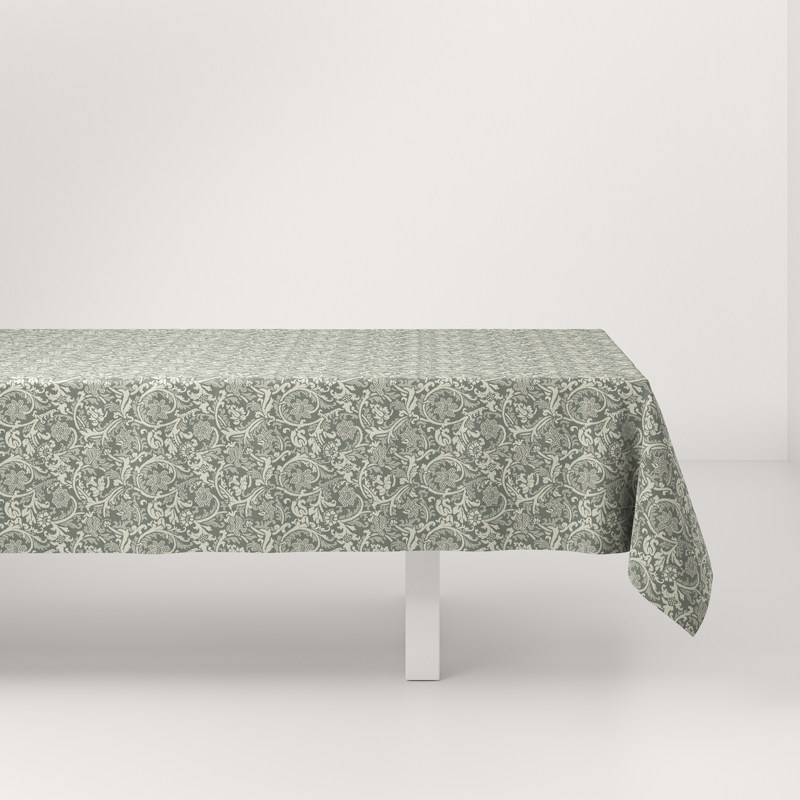
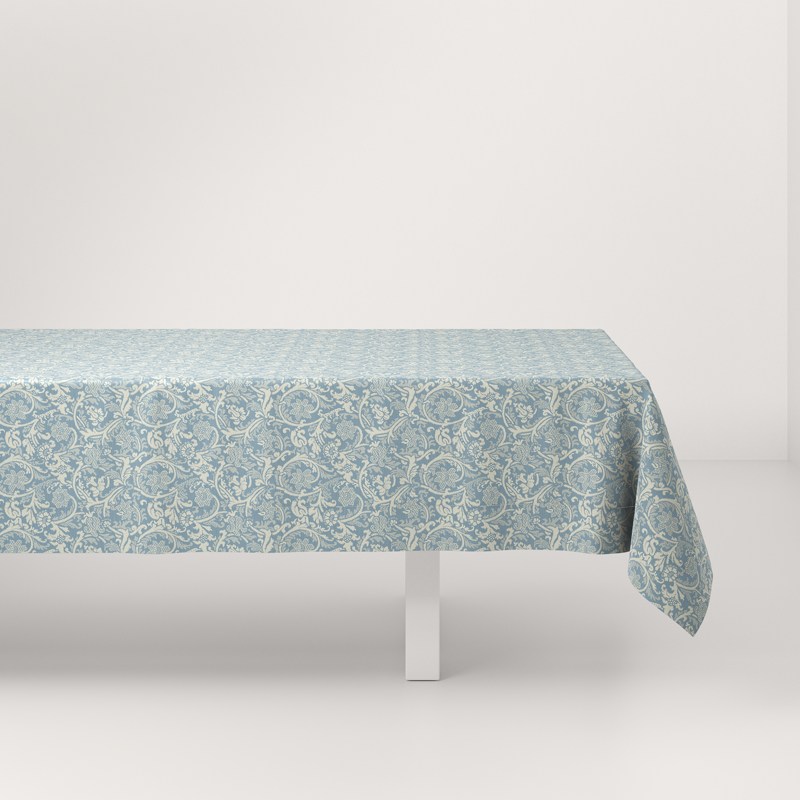
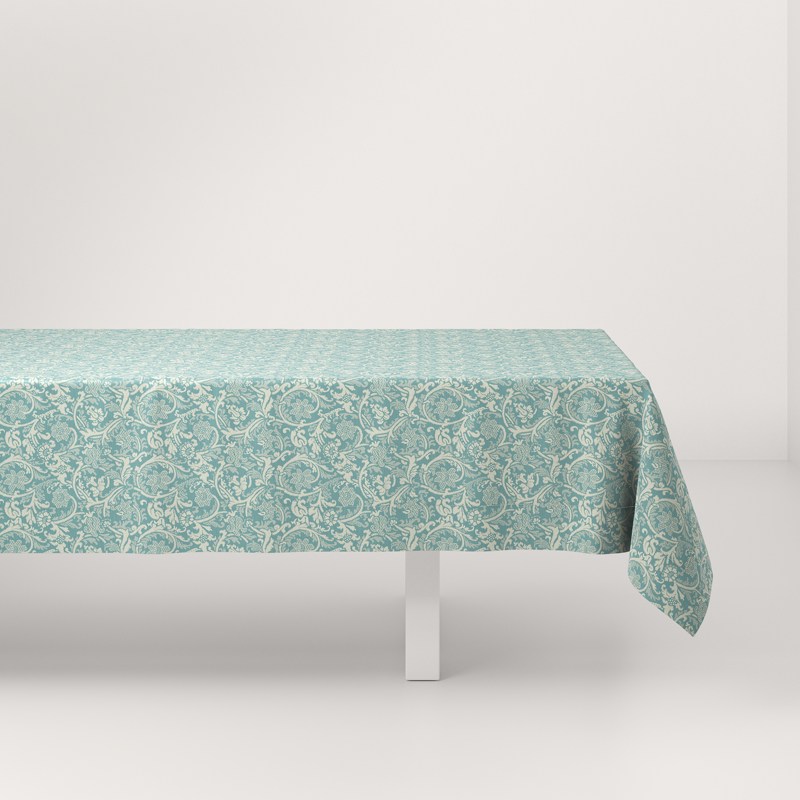
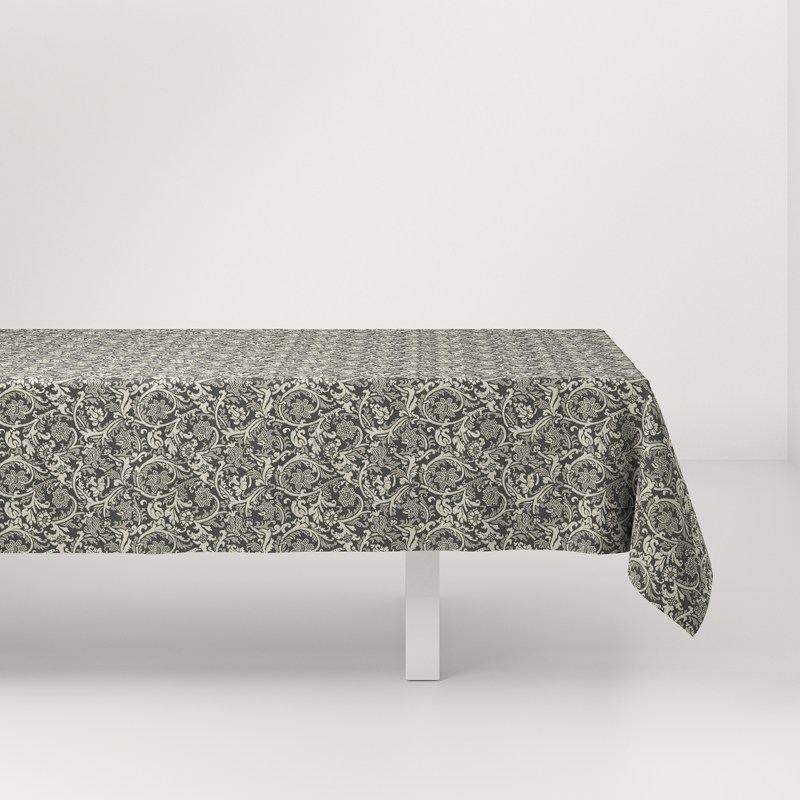
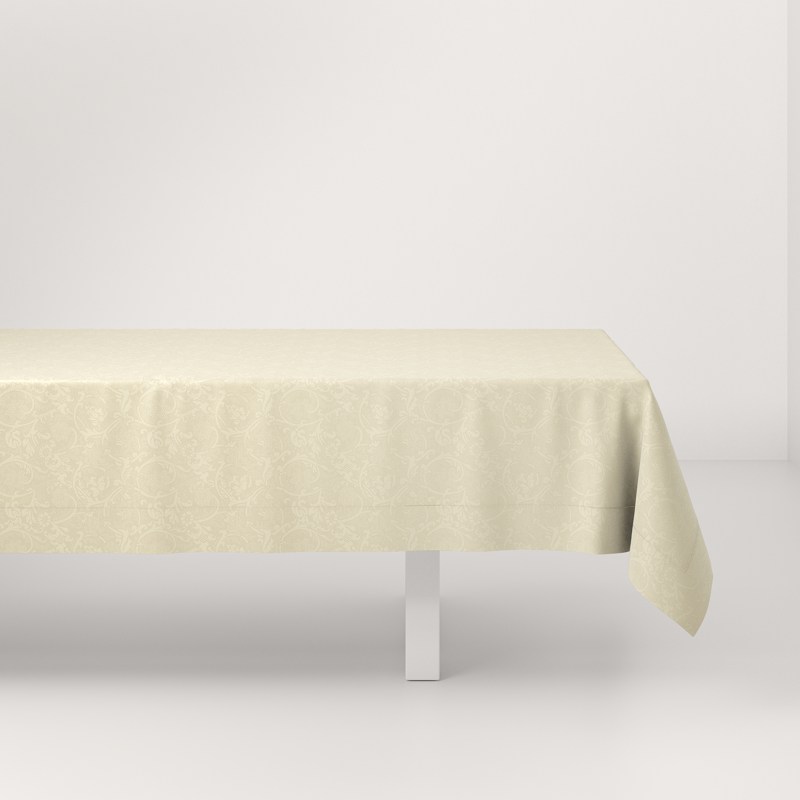
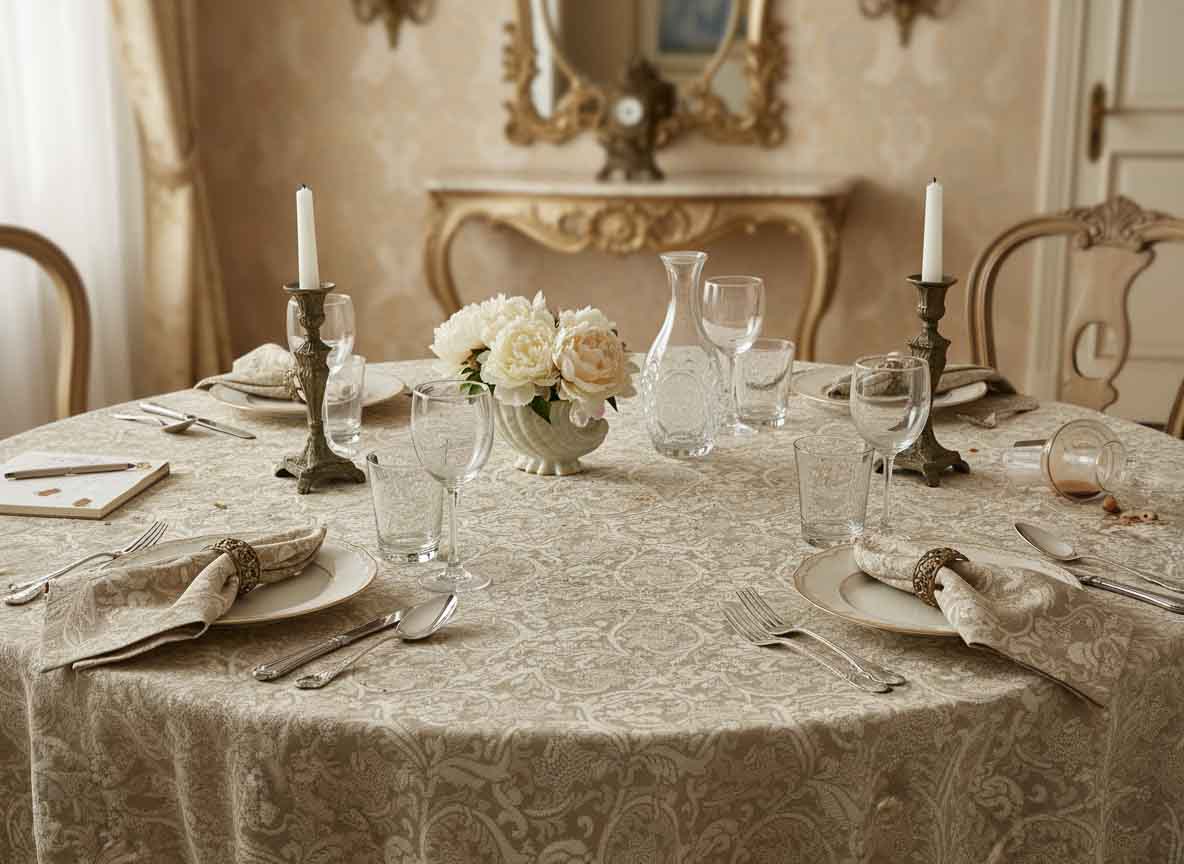
Rocaille half-linen from Leitner Leinen combines rococo-like play with the cultivated calm of natural fibers. The artfully woven jacquard design translates shell-shaped ornaments, curved tendrils and fine arabesques into a relief-like weave that harmoniously combines baroque austerity and rococo lightness. Made from 50% linen and 50% cotton in an elaborate half-linen jacquard weave, Rocaille combines cooling freshness and supple warmth with high moisture regulation, natural smoothness and a patina that gains character over time. Available in twelve carefully coordinated shades and woven in a CO₂-neutral way in Austria, Rocaille stands for sustainable quality, textile tradition and bed linen that harmoniously combines historical charm and contemporary elegance.


Crafted by people who have learned their trade over generations.
Material, production, people – genuine sustainability. Fabrics traceable to the Atlantic coast.
Linen bedding can be washed at low temperatures and becomes softer with each wash.
Linen bedding keeps you pleasantly cool in summer and cozy warm in winter. Bedding for all seasons.
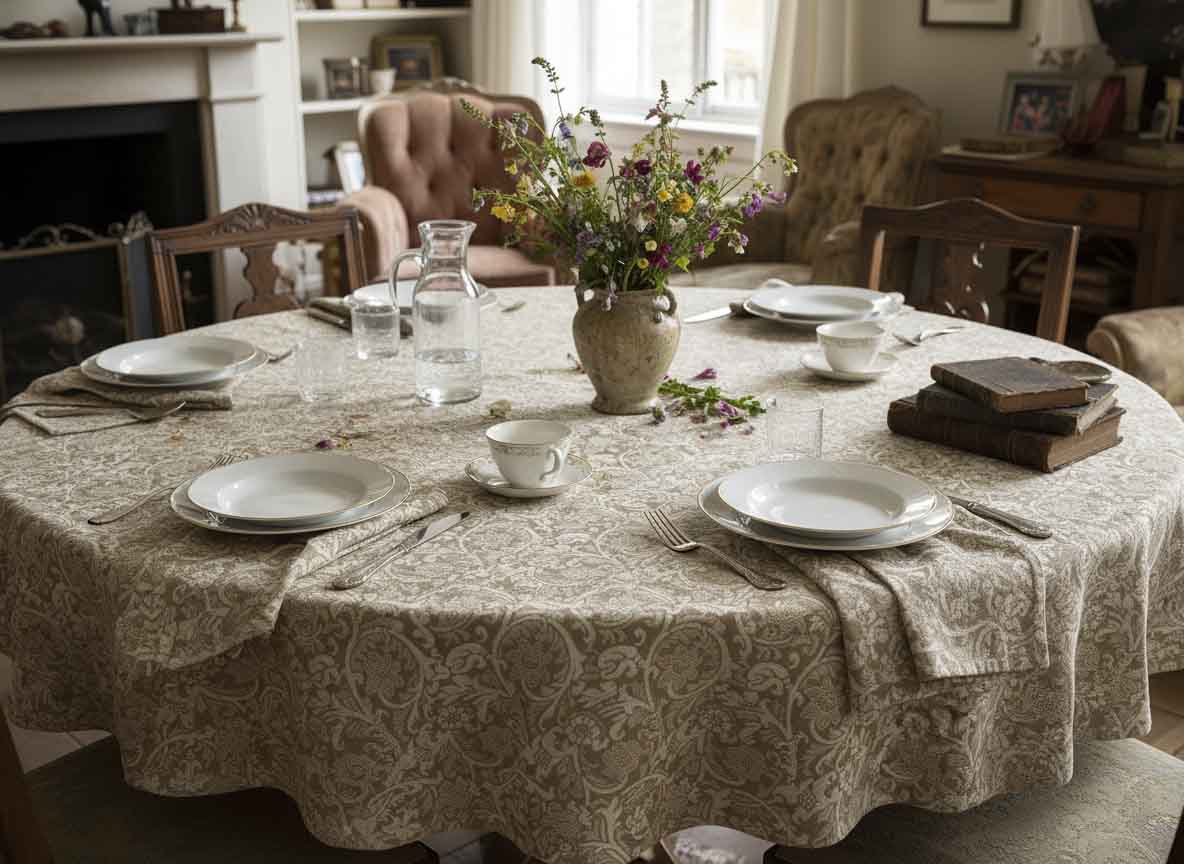
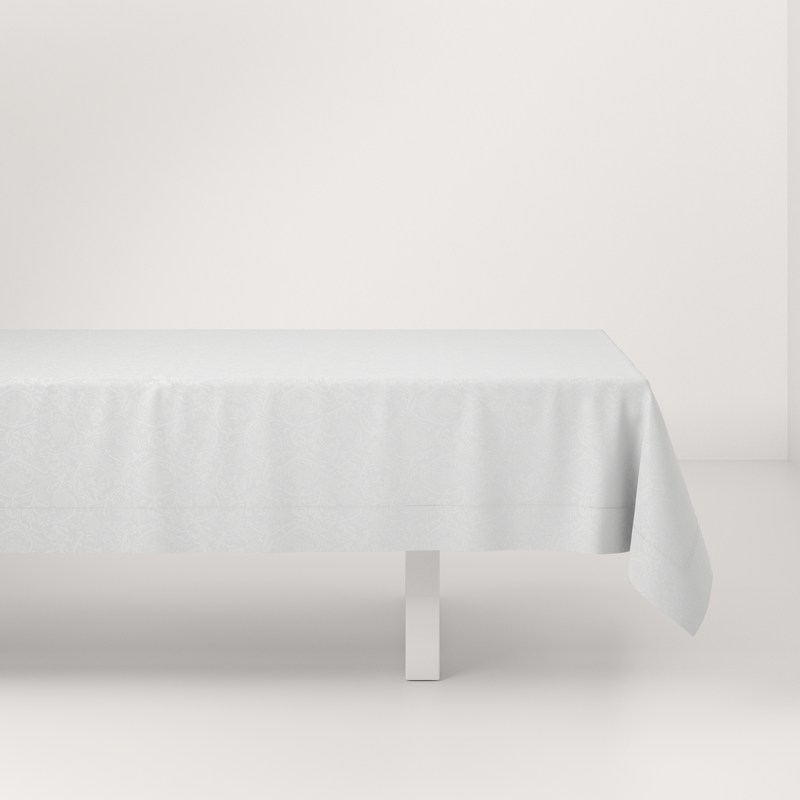
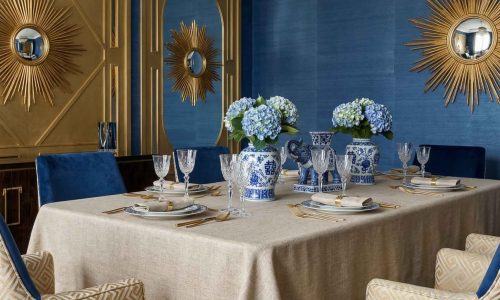
Rocaille – the term refers to the shell-shaped ornaments that gave Rococo its name and characterized an era in which playfulness became an art form. This half-linen design is a textile link between Baroque and Rococo: while some elements still quote the symmetrical austerity of the Baroque, the curved rocailles already show the flowing formal language of the Rococo. Shells, tendrils and arabesques merge into an ornament of enchanting lightness. Rocaille reveals all its aristocratic charm at the table: the design transforms every table into a festive stage, reminiscent of the stucco-decorated salons of French castles, Venetian palazzi and the era when the table became a total work of art. It harmonizes with fine porcelain as well as with modern tableware – serious enough for historical settings, playful enough for contemporary tables. The twelve color tones – from pure white to warm rust red to cool anthracite – allow for multifaceted interpretations: subtle in pastel shades, dramatic in dark nuances.
Half linen is the intelligent combination of two fibers that bring their respective advantages to the table. The pure cotton warp gives the fabric suppleness when draping, while the pure linen weft provides strength and that elegant drape that enhances tables. This combination proves its worth in everyday use: the linen content makes the fabric naturally dirt-repellent – liquids roll off first. At the same time, the fabric regulates moisture without feeling clammy. The cotton significantly reduces the characteristic linen crease and gives the table linen the relaxed drape that characterizes contemporary dining culture. In addition, the improved dyeability of cotton enables the nuanced coloring of the Rocaille design. The protective linen structure increases abrasion resistance – half-linen table linen can withstand frequent washing without losing its beauty.
The history of linen weaving Leitner begins in 1853, when the first looms went into operation in Ulrichsberg, Upper Austria. Five generations have passed since then, but the passion for linen and the dedication to perfect craftsmanship have remained. Nestled in the hilly landscape of the Mühlviertel, table linen collections are created here that combine tradition with innovation. The path from local weaving mill to internationally renowned manufactory was characterized by the pursuit of excellence. The result can be seen at the most important textile trade fairs worldwide. Yet for all its internationality, Leitner remains a manufactory in the best sense of the word: manageable, personal, flexible. Special sizes for unusual panels are just as much a matter of course as individual advice. Each piece is manufactured with the aim of lasting for generations.
✓ Available as a tablecloth, napkin, table runner and placemat in various sizes
✓ 50% linen (weft), 50% cotton (warp) – washed and mechanically finished
✓ Fabric weight: medium-weight quality for optimum drape and a luxurious feel
✓ Fabric: Jacquard weave with playful rococo ornamentation
✓ Design: shell-shaped rocailles with baroque and rococo elements
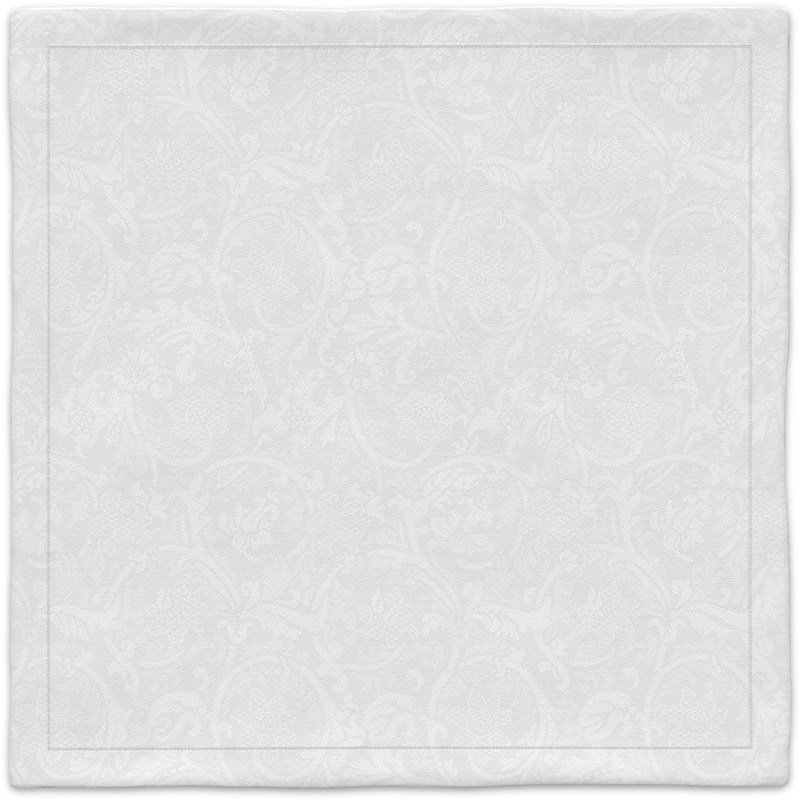
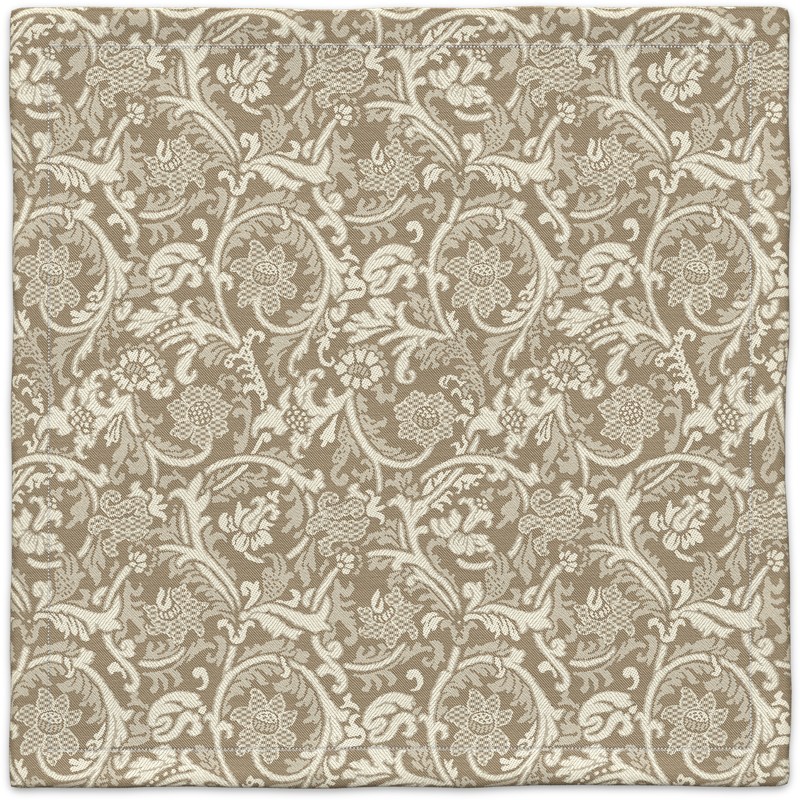
✓ Color palette: 12 expressive shades – white, alabaster, rust red, blue fog, arctic blue, cyclamen, jade, linen, terra, stone, granite, anthracite
✓ Masters of Linen quality – seal of approval for top European quality
✓ CO₂-neutral produced in Austria
✓ Individual special sizes available on request
Half-linen table linen is robust and becomes more supple over time. Colored linen can withstand up to 60°, white up to 95°. In everyday use, 40-60° is sufficient for perfect cleanliness. Rinse out fresh stains with cold water before washing. Avoid detergents with optical brighteners. The natural creasing gives the table an authentic charm – much more moderate with half-linen than with pure linen. For smoother results: Fill the drum to a maximum of two thirds full, spin at a maximum of 1000 revolutions. Iron at a medium to high temperature with residual moisture. Air drying preserves the fiber quality for decades.
| Leitner Tischtücher Cat. 2 | 150 x 150, 150 x 250, 150 x 320, 170 x 170, 175 x 250, 180 x 180, 180 x 320, 180 x 340, 180 x 360, without tablecloth |
|---|---|
| Leitner Servietten Cat. 2 | 20 x 20 (6 pieces), 47 x 47 (6 pieces), 55 x 55 (6 pieces), without napkins |
| Produktfarbe | Alabaster, Anthracite, Arctic Blue, Blue Fog, Cyclamen, Granit, Jade, Natur, Rust red, Stone, Terra, White |
| Farbe |
Willkommen zurück!
Jetzt registrieren
Erhalte exklusive Rabatte und Neuigkeiten
Welcome back!
Register now
Receive exclusive discounts and news




Reviews
There are no reviews yet.