Description
“Confusion”
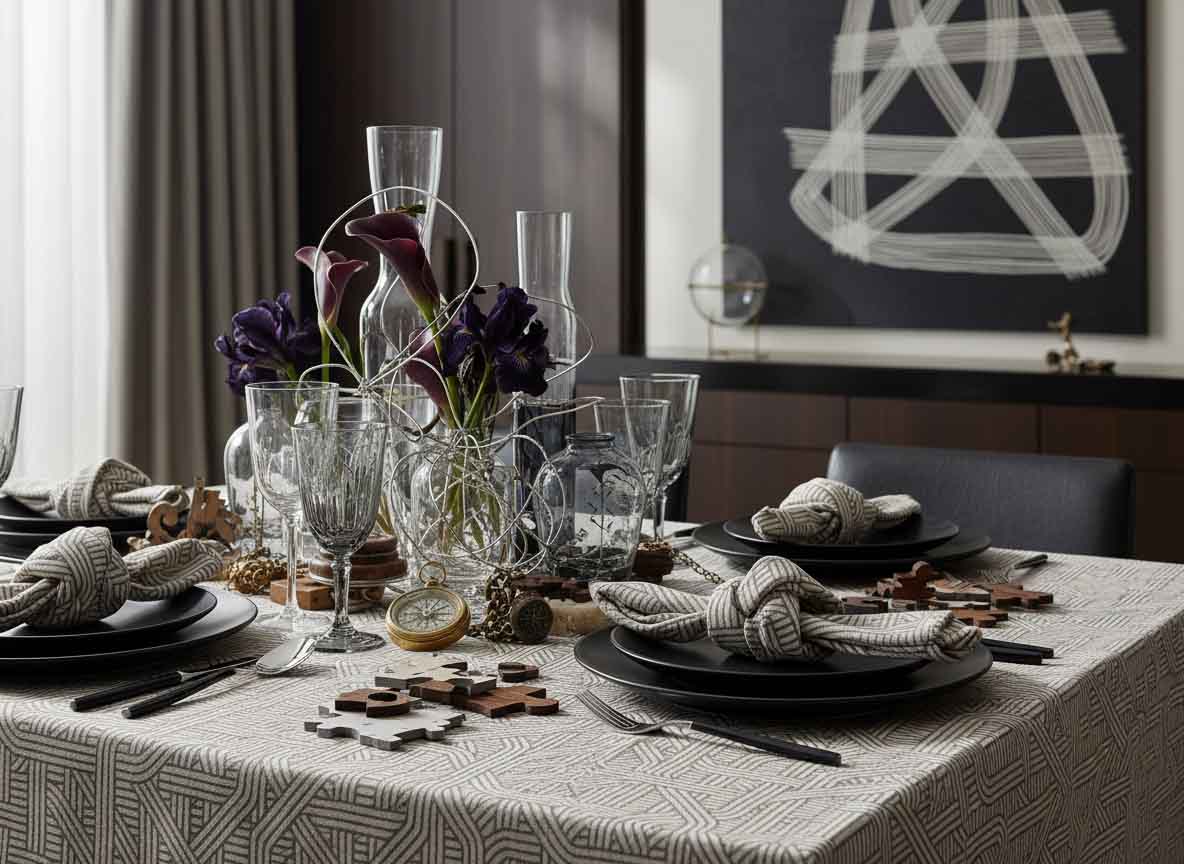
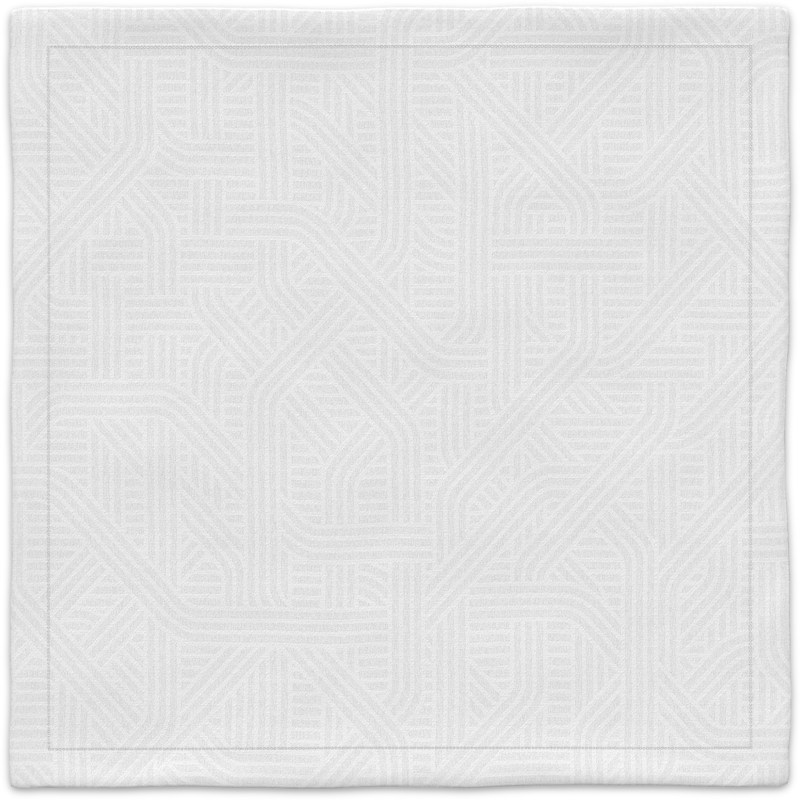
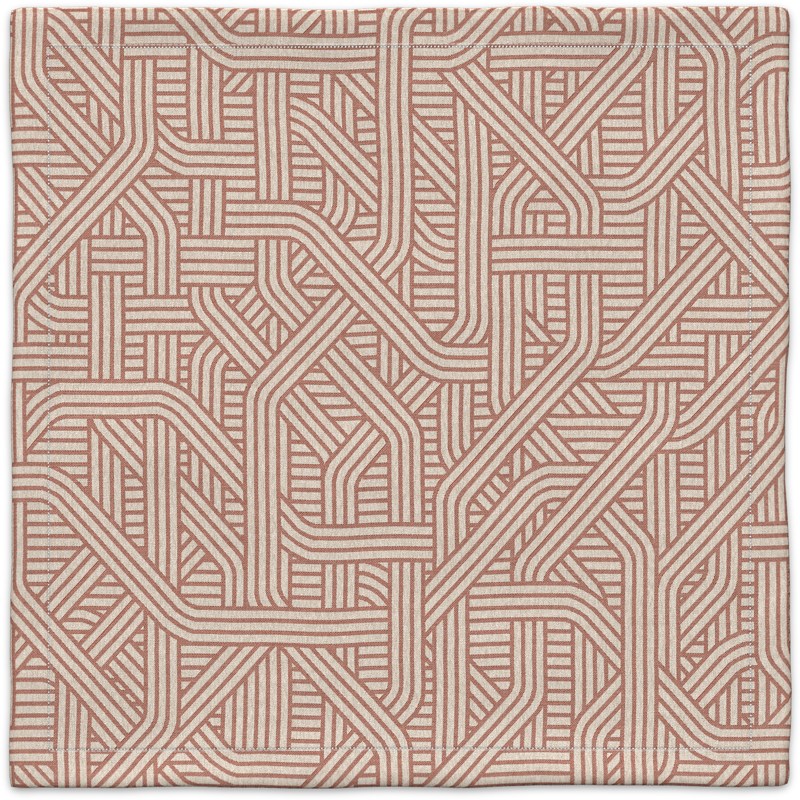
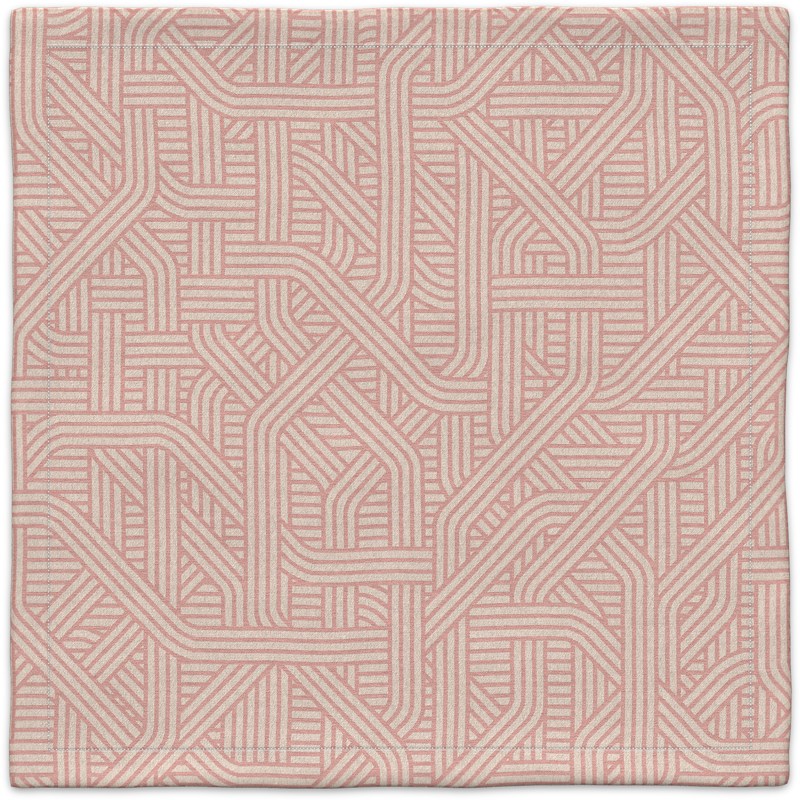
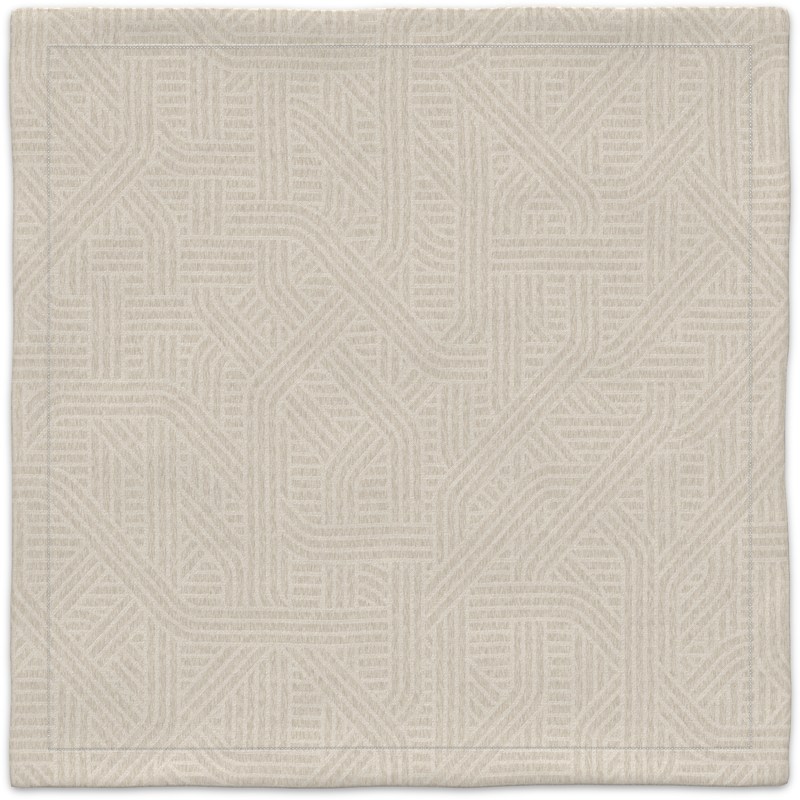
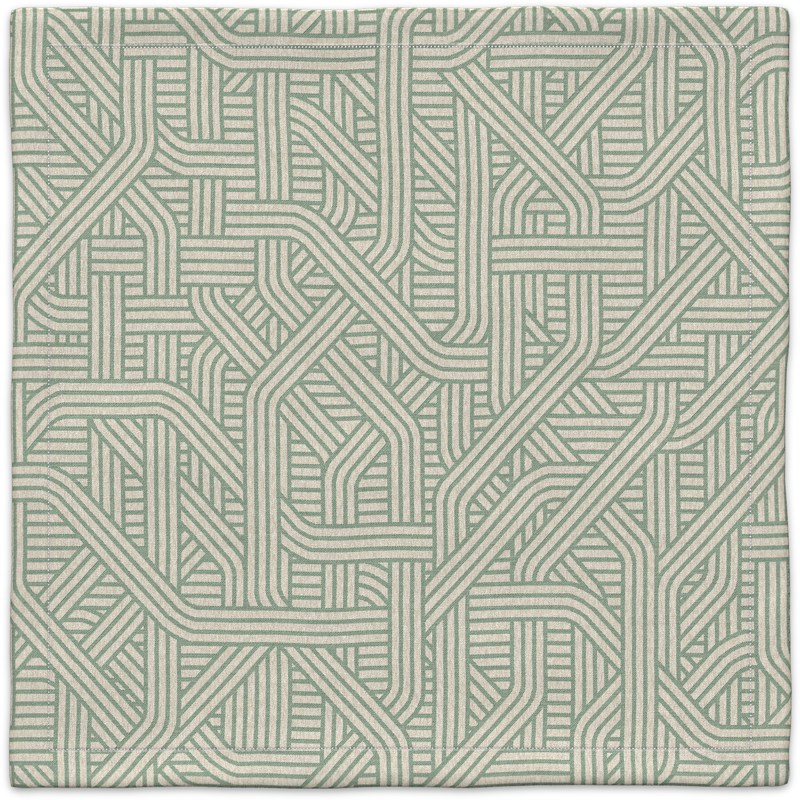
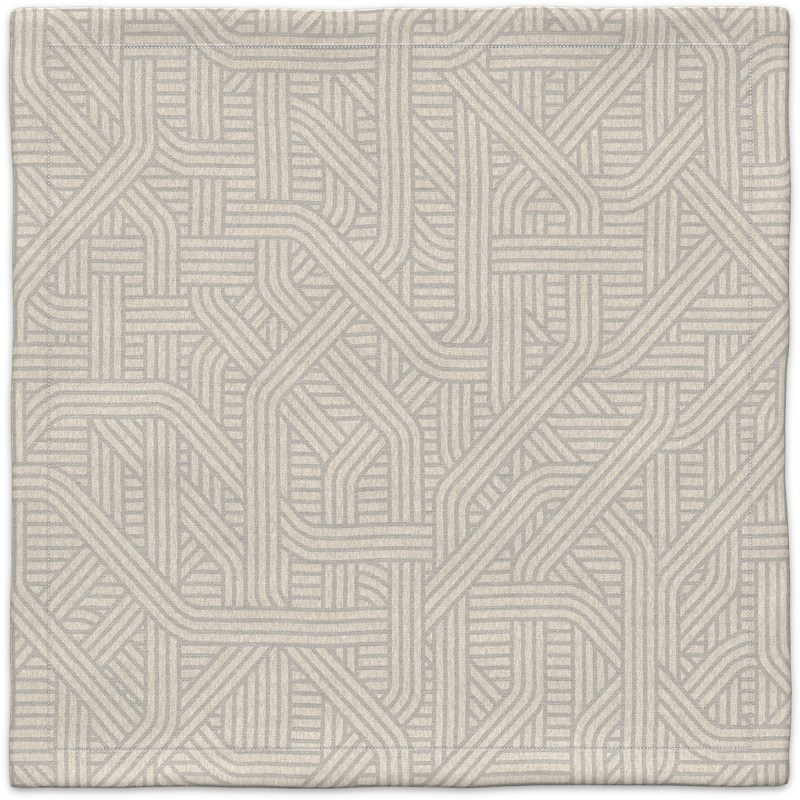
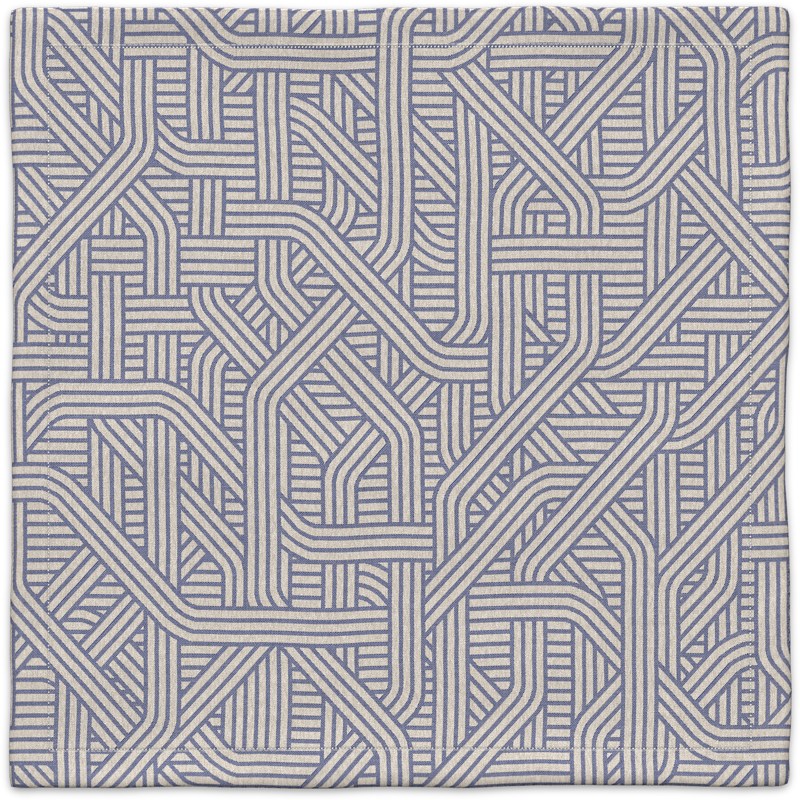
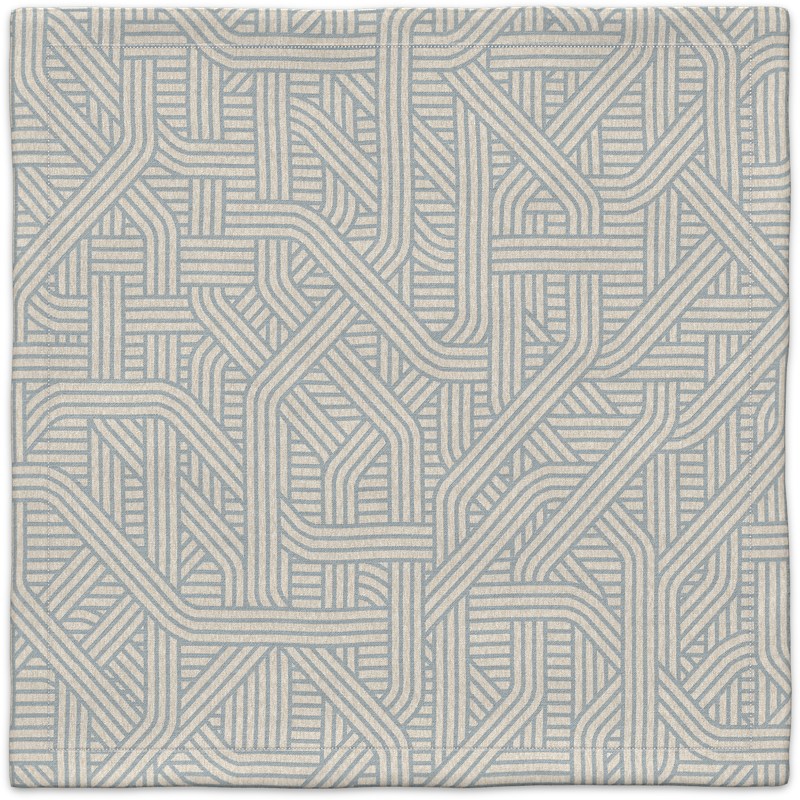
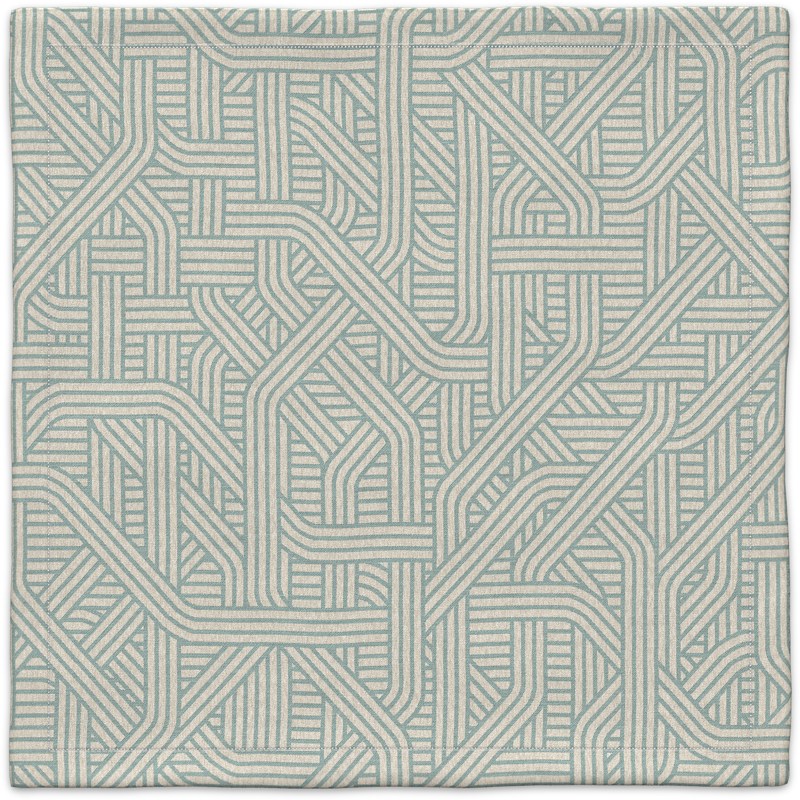
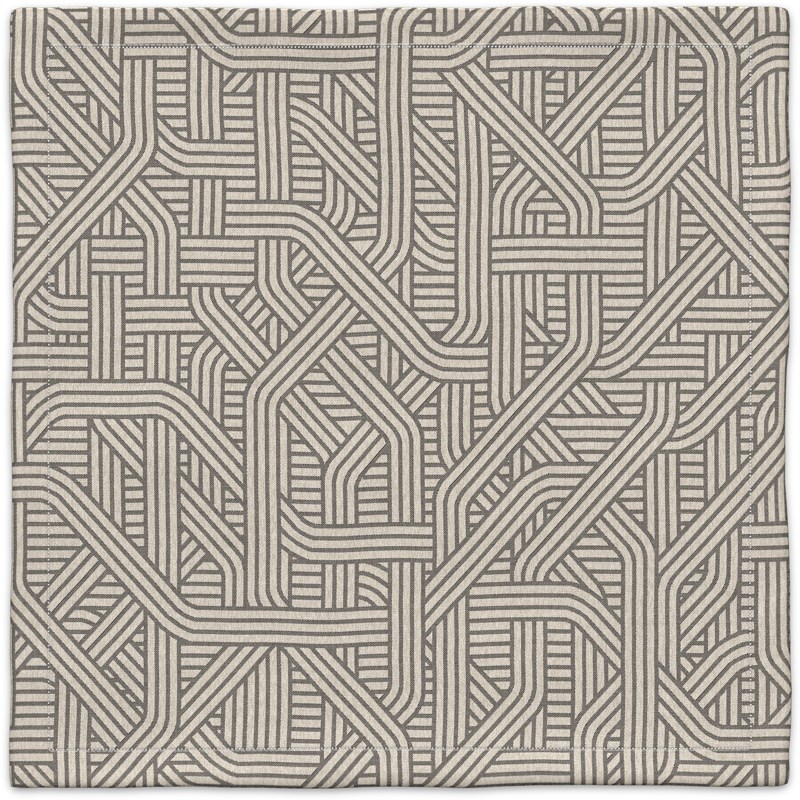
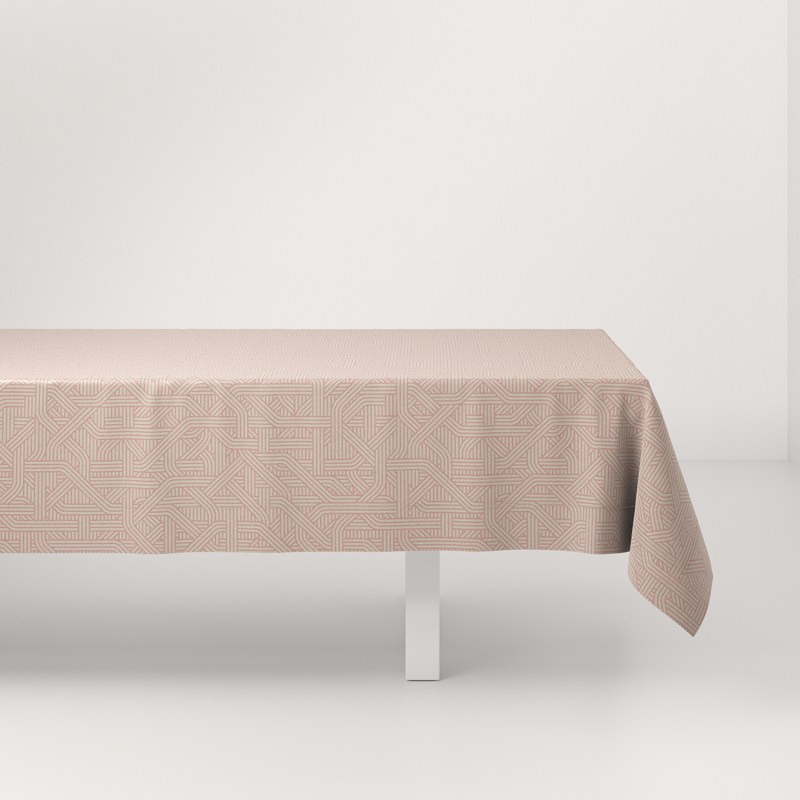
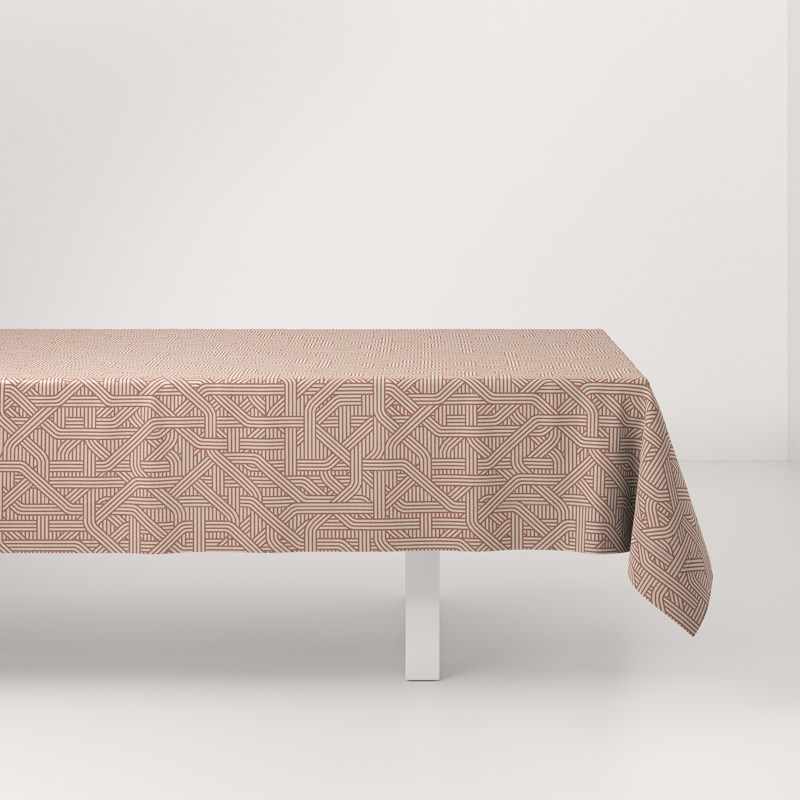
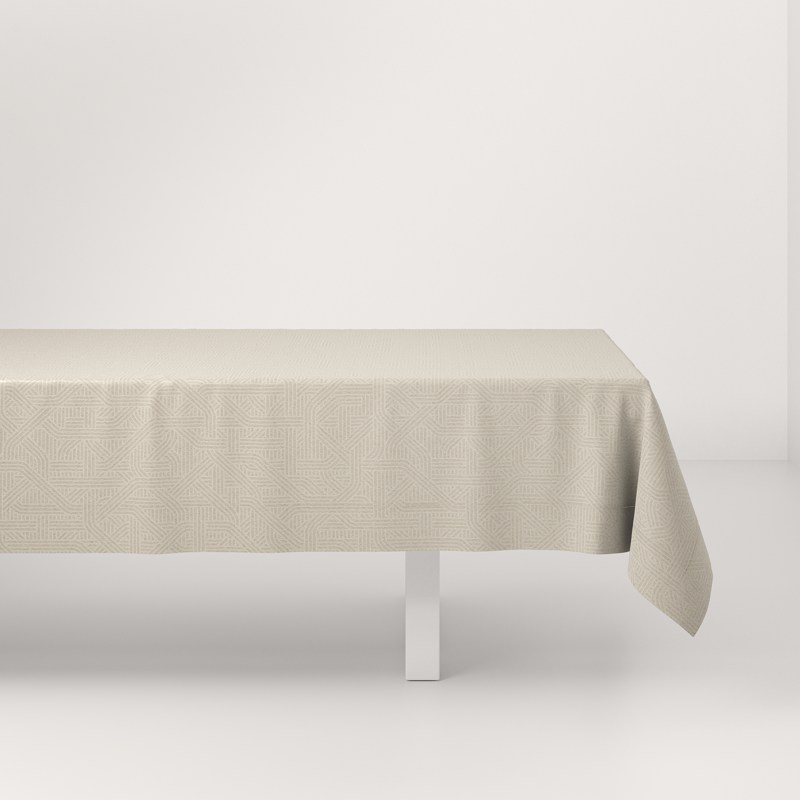
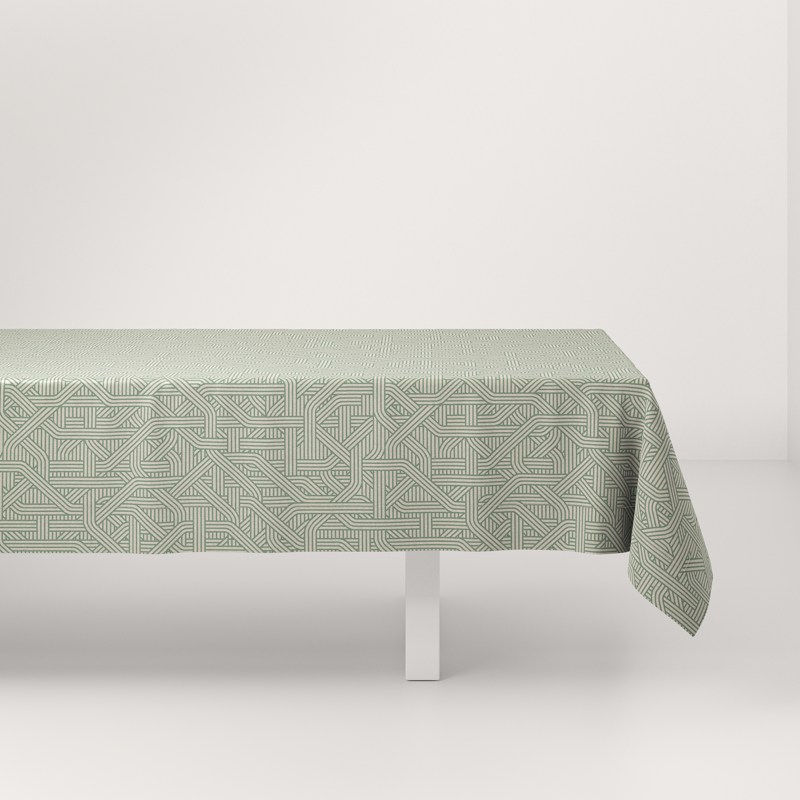
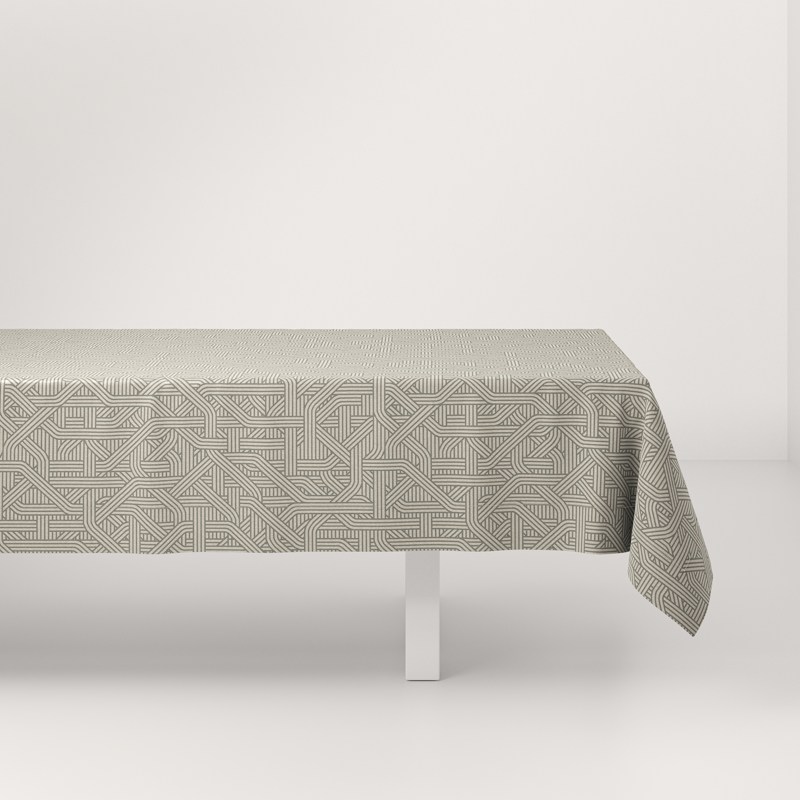
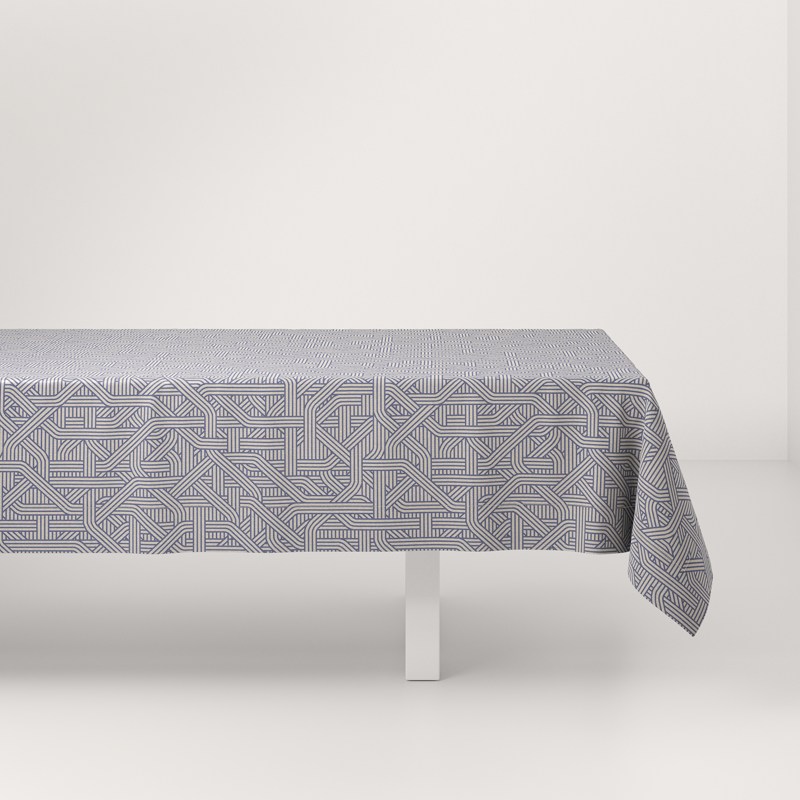
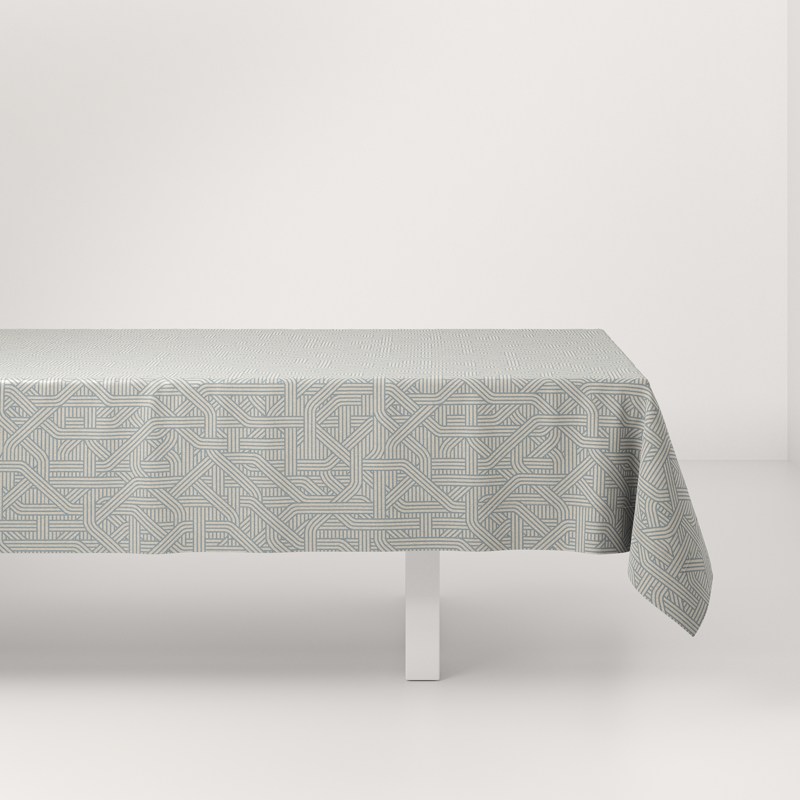
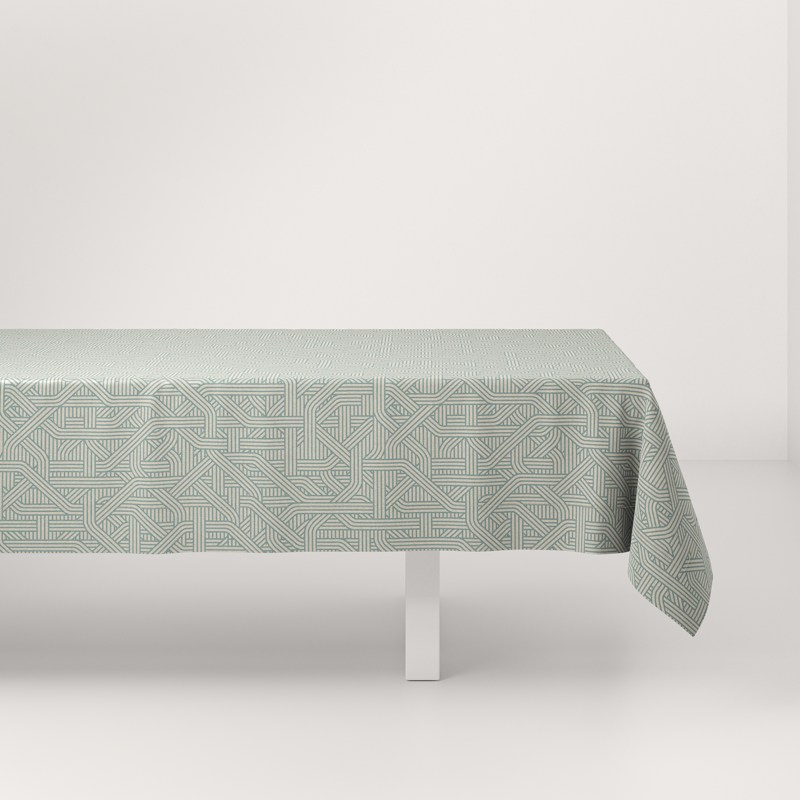
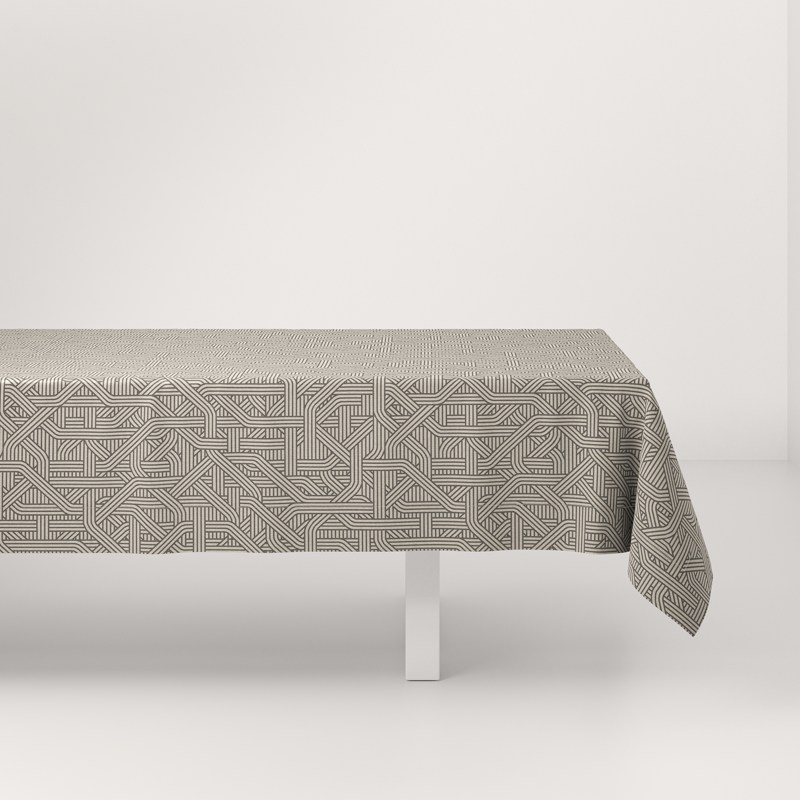
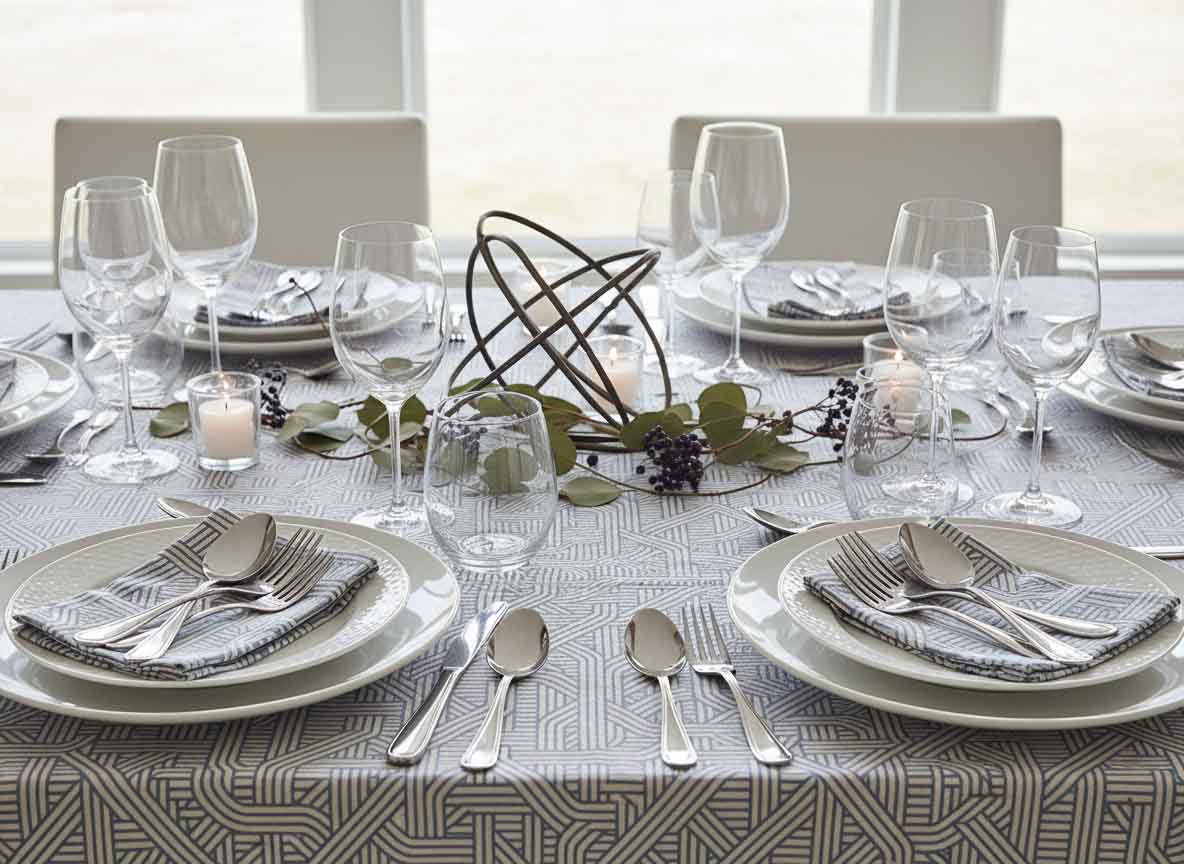
Confusion – the confusion, the apparent chaos, the composed complexity. With this design, Leitner Leinen leaves the historical references behind and enters the terrain of contemporary design. Viennese designer Thomas Feichtner developed a monochrome jacquard pattern for the manufactory that consists exclusively of lines: horizontal, vertical, diagonal at a 45-degree angle. They intertwine, overlap, create density and emptiness – a visual system that defies quick decoding. Feichtner himself describes his design as “an at first glance causal confusion with structure and system”. What looks like chance is composed. What appears to be disorder follows a logic. The pattern references the urban complexity of contemporary metropolises: Overlapping, layering, the simultaneity of different rhythms. Whoever puts Confusion on the table is not staging a historical reminiscence, but rather acknowledging the present. The table becomes a place of contemporary aesthetics, where tradition and modernity meet productively.
European organic linen
Linen for the table combines functional properties with aesthetic requirements. The linen fibre, obtained from Western European flax cultivation, is characterized by its smooth, closed surface, which initially repels liquids. This protection makes it possible to react to spills before a stain appears. At the same time, linen is highly absorbent as soon as the fiber is soaked – a property that makes napkins functional. The natural smoothness creates the cool, firm feel that gives tablecloths their characteristic drape. Linen is naturally antistatic and bacteriostatic – properties that make it particularly suitable for contact with food. The fiber does not weaken with use, but becomes more supple. Linen develops patina instead of wear. Tablecloths made from European organic linen become softer over time without losing their structural strength. The GOTS certificate guarantees that no chemical bleaching agents or synthetic pesticides are used from cultivation to finishing.
The Weaving Mill
Since 1853 the Leitner Manufaktur in Vöcklabruck, Austria, has been weaving linen according to principles that can only be maintained through continuity in craftsmanship. Confusion is produced in a sophisticated jacquard linen weave – a process in which the pattern is not printed on, but worked directly into the fabric structure. Every line, every overlap, every apparent irregularity is an integral part of the fabric itself. The Jacquard technique, developed by Joseph-Marie Jacquard in the early 19th century, enables complex patterns to be created by controlling each warp thread individually. The result is a relief-like fabric in which patterned and unpatterned areas are not only visually but also haptically distinct from one another. Leitner Manufaktur works with mechanical looms whose precision lies in the fact that they do not smooth out the natural irregularity of the linen fibers, but rather absorb it. This results in fabrics with a liveliness that cannot be achieved by mechanical uniformity.
The product: Confusion pure linen table linen from Leitner Linen
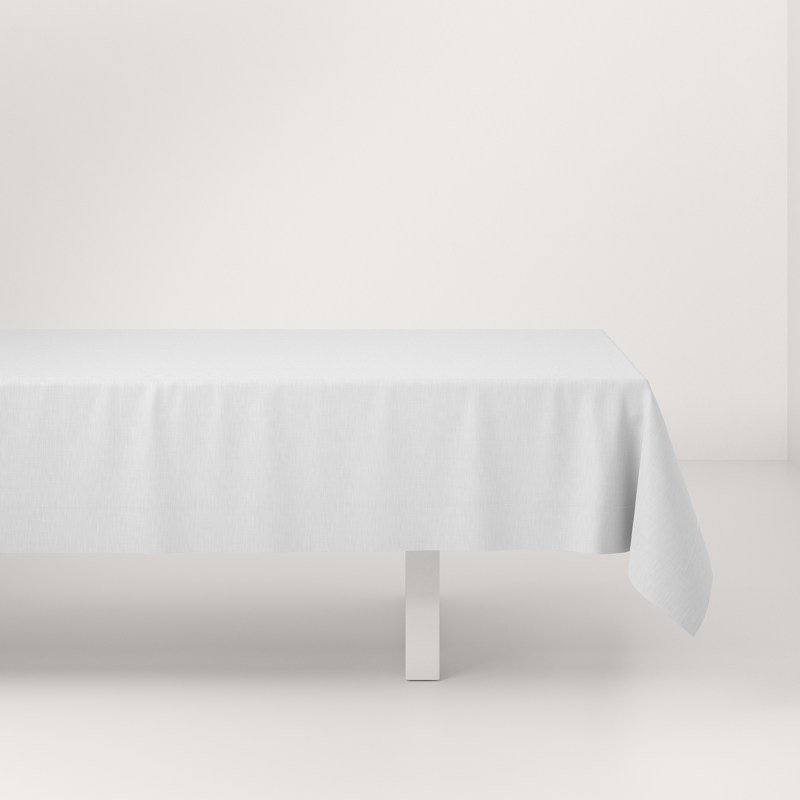
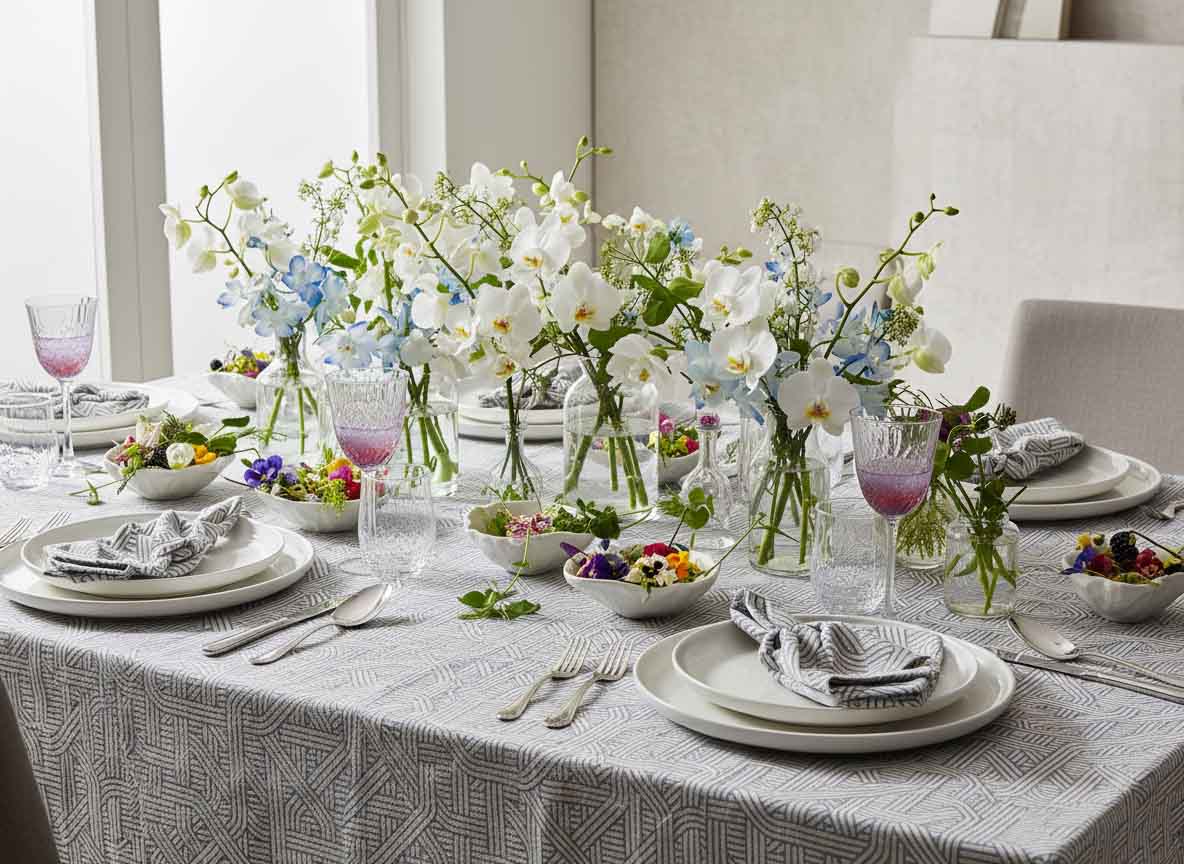
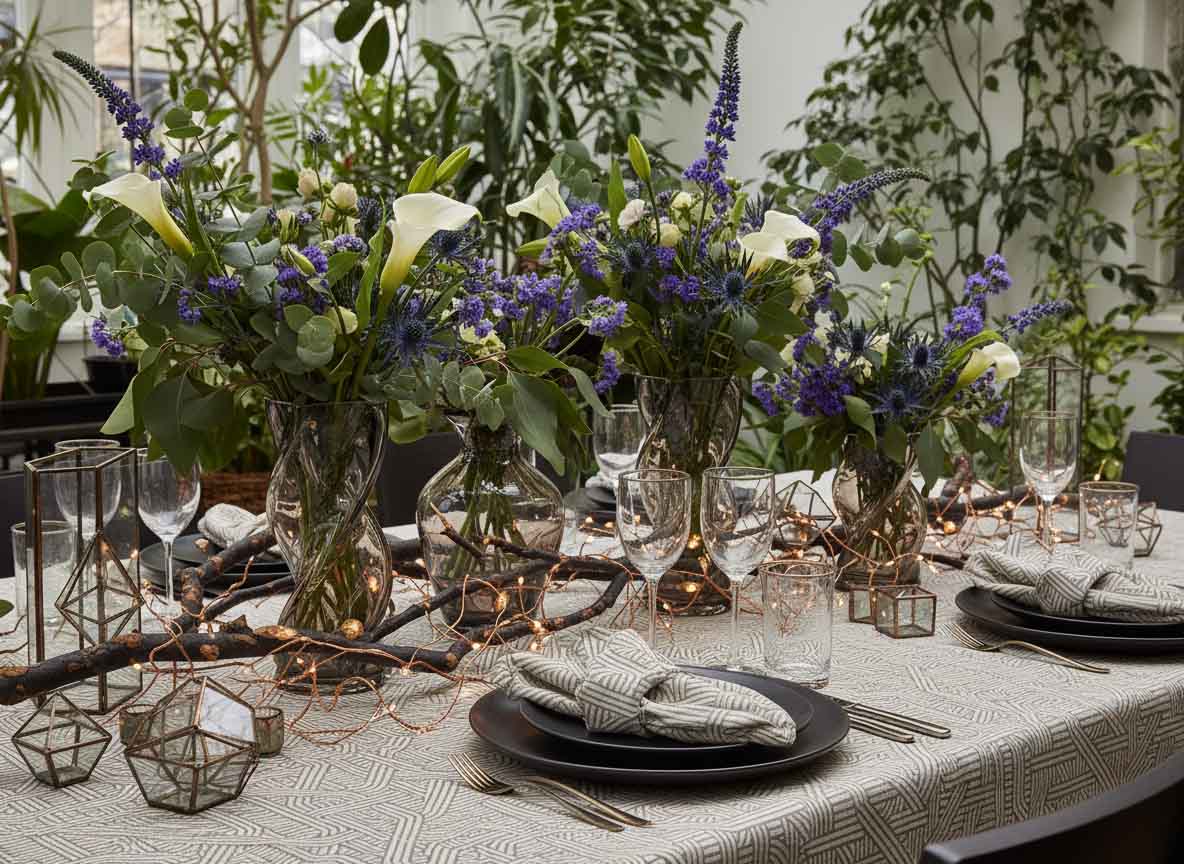
Confusion is available as a tablecloth and napkin. The fabric consists of 100 percent European pure linen in a sophisticated jacquard linen weave. The color palette comprises eleven shades, making it the most extensive in the Leitner table linen collection. It ranges from classic white and the pastel softness of Sakura to the Mediterranean nuances of rust red and the cool tones of Delft Blue and Blue Fog. Jade brings fresh accents, while the earthy tones of Linen, Terra and Stone convey warm restraint. Granite and Anthracite, the darkest tones in the range, lend the table an urban depth. Each color scheme can be combined with both contemporary and classic tableware. Confusion is a tablecloth for occasions where the table is not a historical reference, but a contemporary interpretation.
✓ 100% European pure linen
✓ Sophisticated jacquard linen weave with contemporary pattern
✓ Design: Thomas Feichtner, Vienna
✓ Available as a tablecloth and napkin
✓ 11 colors: White, Sakura, Rust Red, Delft Blue, Blue Fog, Jade, Linen, Terra, Stone, Granite, Anthracite
✓ GOTS-certified
✓ Woven at Leitner Manufaktur, Ulrichsberg (Austria)
Care Instructions
Linen table linen can withstand temperatures up to 60 degrees, white qualities up to 95 degrees. Washing temperatures between 40 and 60 degrees are gentle on the fibers. Do not use detergents with optical brighteners – they bleach out the color pigments. Do not overfill the machine: linen needs freedom of movement. Spin at 800 to a maximum of 1,000 revolutions and remove the laundry slightly damp. Iron on the highest setting as long as there is still residual moisture. Linen loves heat and moisture – this is the only way to completely smooth out the fibers. Avoid the tumble dryer. Treat stains from red wine or coffee immediately with cold water – the smooth linen fibers release stains more easily when they react quickly.
Only logged in customers who have purchased this product may leave a review.





Reviews
There are no reviews yet.