

Care & Durability
What linen needs — and what it doesn’t need
Linen is easier to care for than its reputation suggests. Most problems aren’t caused by a lack of care, but by doing it wrong — using fabric softener, tumble drying at too high a temperature, or giving up too soon. Here are the ten questions we’re asked most often.
- Basics
How do I look after linen bed linen properly?
In a nutshell: plenty of water, minimal chemicals, and air for drying.
Washing: 40°C for coloured laundry, 60°C for whites. The drum should be no more than half full — laundry needs room to move around in the water. An overloaded machine causes the stiffness that many people complain about without knowing why.
Detergent: mild, phosphate-free, no fabric softener. Fabric softener leaves a film on the fibres that blocks their natural moisture regulation and, over time, makes the fabric stiff rather than soft. It is one of the ironies of linen: the product that promises softness actually has the opposite effect.
Drying: Spin gently (maximum 800 rpm), then hang up whilst still damp. The weight of the wet fabric smooths out creases better than any iron. Tumble drying at a low temperature is fine, but it makes the linen fluffier at the expense of its characteristic sheen.
Storage: Do not store in plastic, and never store in damp conditions. Fold the item and place it in a cotton bag in a dry place. Re-fold it occasionally so that the creases do not always form in the same place.
Which detergents are suitable for linen — and which aren’t?
Linen can be washed with mild, pH-neutral detergents. If you want to be on the safe side, choose a mild detergent or a special fabric care product for natural fibres.
What linen cannot tolerate: fabric softener. It forms a film on the fibres and seals the microscopic pores through which linen wicks away moisture. The result is a fabric that feels stiff rather than soft after washing – exactly the opposite of the intended effect. Many people who find linen ‘difficult’ use too much fabric softener.
Even aggressive bleach can damage the fibres in the long term. For white linen that needs brightening, we recommend oxygen-based bleaches (percarbonate bleach) at 60 degrees – these are gentler and kinder to the fibres than chlorine-based products.
Washing linen with fabric softener is like drinking a good red wine with ice cubes. It works. But the fabric you end up with is quite different.
Does linen bed linen shrink — and by how much?
Yes. Raw, untreated linen shrinks by 5 to 8 per cent during the first wash. This is not a fault, but a sign that the fabric has not been chemically pre-shrunk. Reputable manufacturers either factor this shrinkage into their measurements or explicitly point it out.
Pre-washed linen — whether stone-washed or garment-dyed — has already gone through its first shrinkage. It hardly shrinks at all when you buy it, feels softer right from the start, and doesn’t change size. The trade-off: some of the patina that makes linen so special has already developed without you being there to witness it.
If you buy unbleached linen, you should check the measurements before the first wash — and make sure the size specifications and the covers are suitable for shrinkage. With linen table linen, it is generally advisable to pre-wash it before using it for the first time.
Can I put linen in the tumble dryer?
Yes — with one caveat. Tumble drying at a low to medium temperature does not damage the linen fibres. What it does change is the feel: machine-dried linen is fluffier and less smooth than air-dried linen. The characteristic cool feel and natural sheen are created during air drying — by the weight of the wet fabric, which pulls the fibres into shape.
If you prefer the refined, slightly stiffer feel of linen, air-dry it and iron it whilst still damp. If you prefer it softer and more relaxed, use the tumble dryer. Both methods are fine. However, high temperatures in the tumble dryer should be avoided — not because of the fibre, which is heat-resistant, but because of the seams and any button plackets, which may shrink.
How can I prevent linen bed linen from becoming stiff after washing?
Clothes feeling stiff after washing is almost always due to one of these three reasons: the drum is too full, there is too much detergent or fabric softener, or there is not enough water in the wash cycle.
The solution: Fill the drum no more than halfway, avoid fabric softener altogether, and use a mild detergent in the recommended amount. When spinning, reduce the spin speed to 600–800 rpm and hang the laundry up while it is still damp — not bone-dry.
If you find the linen still feels stiff after drying, you can pop it in the tumble dryer on a low setting for a short while — five to ten minutes is enough to loosen the fibres. Alternatively, lightly dampen the linen and shake it out. These are old household tips that work because the fibres react to moisture and movement.
Do I need to iron linen bed linen?
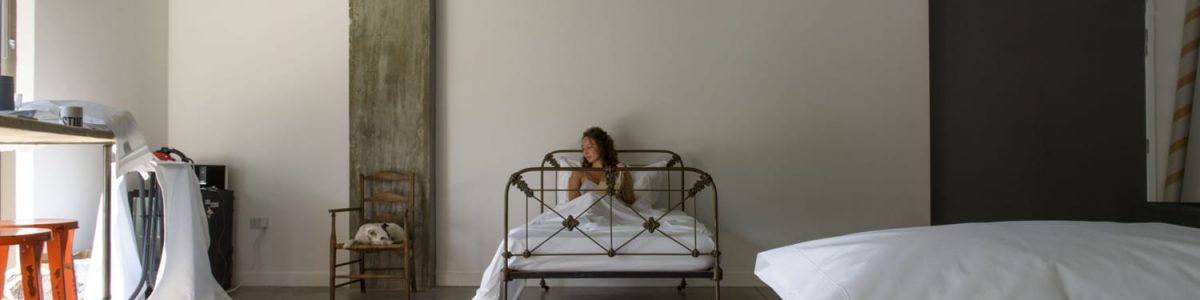
No. There’s no need to iron bed linen — the first time you make the bed, all the creases disappear. If you want your linen to be perfectly smooth (for classic table linen or formal occasions), iron it whilst damp on a high setting; the result is particularly neat and lasts until the fabric is moved again.
The natural creases are part of linen’s character — and they are now aesthetically desirable, far beyond minimalist bedrooms. If you leave the linen unironed, you get that casual texture that is described in interior photos as ‘lived-in luxury’. If you iron it smooth, you have the classic elegance of linen — both are right, and both are linen.
How long does linen bedding actually last?
A high-quality linen sheet made from European long-fibre flax will last 20 to 30 years if cared for properly. This is not a marketing claim, but a fact borne out by centuries of experience: in the trunks of Europe’s dowries lay linen sheets that mothers passed down to their daughters — not as keepsakes, but as everyday linen that was even better after 20 years than it was on the first day.
A good cotton sheet can withstand 200 to 300 washes before the fibres start to wear out. A good linen sheet can withstand more than 1,000. Do the maths: a linen sheet costing €120 that lasts 25 years works out at €4.80 per year. Three cotton sheets at €35 each, with a lifespan of 5 years, cost €105 over 25 years — and generate three times as much waste.
The requirement: it must be genuine pure linen made from long-fibre flax. Industrially woven linen made from cottonised short fibres — which is cheap and often comes with misleading labels — does not offer the same durability.
Can I wash linen bed linen at 90 degrees?
Linen itself can withstand boiling. Historically, linen was regularly boiled – it was the most hygienic material in the home because it could withstand temperatures that would have destroyed other fabrics.
In practice: White, untreated pure linen can be safely washed at 60 degrees; 90 degrees is fine for the fabric itself, but is not recommended for most modern seams, edging and any dyeing. Coloured linen should be washed at 40 degrees to prevent colour bleeding. For pre-treated or stone-washed linen, follow the manufacturer’s instructions on the label.
Does washing linen incorrectly damage its physical memory?
Yes — with one caveat. Aggressive fabric conditioners seal the surface of the fibres and prevent them from developing naturally. Washing chemically treated linen at too high a temperature can destroy the additives responsible for its softness and antibacterial properties. Bleaches with a high chlorine content permanently weaken the cellulose chains.
What is not damaged by normal washing – even frequent washing – is the basic structure of the linen fibre. It is more resilient than its reputation suggests. The ‘material memory’ – the slow maturation of the fabric – requires water and movement; it develops through washing, not in spite of it. The key is to avoid using any substances that seal or damage the fibre.
Do I need to protect linen bed linen from moths?
No. Moths — or, to be more precise, the larvae of the clothes moth and the fur moth — feed on keratin, the protein found in animal fibres such as wool, silk and cashmere. They simply have no interest in plant-based fibres such as linen or cotton. Linen bed linen does not need moth protection.
Anyone storing linen alongside wool or silk should take care to protect the animal fibres — the linen itself is unaffected. This is yet another quiet advantage of a material that has managed to survive in places where other fabrics have not.
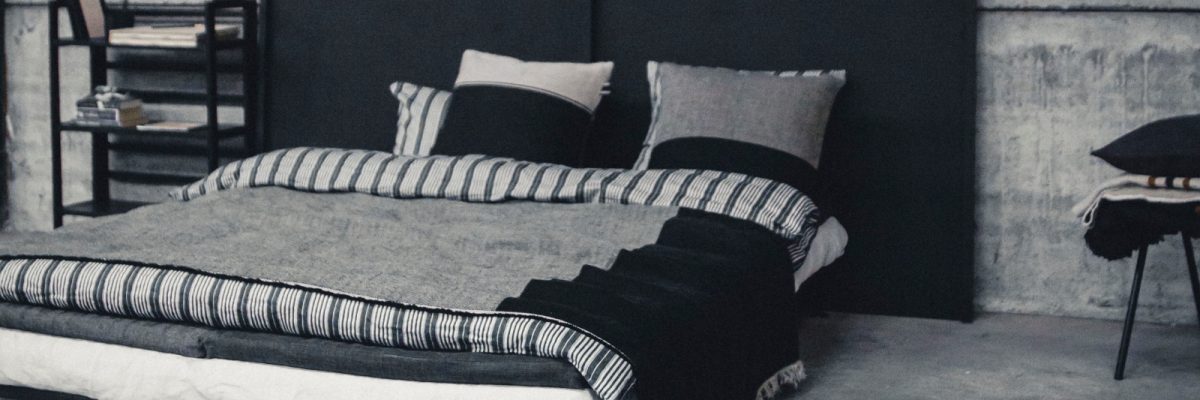
- All linen bed linen at The Linen Lounge is machine washable up to 60°C and suitable for a gentle tumble dry — every item is made from 100% European flax. View the bedding collection →
Related Topics
What is linen?
Fiber Properties, Material Comparisons, and Design
Health & Sleep
Everything you need to know about temperature regulation, people with allergies and the sleeping environment
Care, price & decision
Here you will find the full care instructions and price justification
