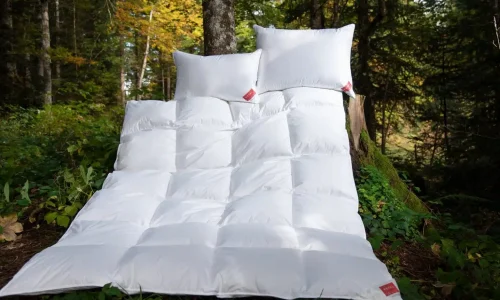








A person with a cold belongs in bed,
Sleep is the best thing for the immune system: a recent study shows that sleep strengthens the body’s defenses. Just three hours of sleep deprivation is enough to weaken the immune system.
Sleep is often the best medicine, as the saying goes. German researchers are also certain that good sleep supports the immune system. In a recent study, they found that sleep supports the work of certain immune cells called T cells. “Just lying down is good, but sleeping is better,” say doctors at the Clinic for Rheumatology and Clinical Immunology at the University of Lübeck.
Together with scientists from the University of Tübingen, they led the study, which has now been published in the renowned Journal of Experimental Medicine. On the other hand, acute sleep deprivation inhibits the work of T cells. Just three hours of sleep per night can impair the immune system. “The study shows one way in which sleep can positively influence the function of T cells,” says immunologist Rainer Straub from Regensburg University Hospital, who was not involved in the study.
T cells are among the main players in the immune system. When they recognize a cell infected with pathogens, they activate certain receptors, known as integrins, which enable them to capture and destroy their target. The research team took blood samples from ten women and five men several times – during the day, at night, and at night after sleep deprivation. The number of study participants is relatively small, but sufficient to obtain information about fundamental processes in the human body, the researchers argue. Seven to eight hours of sleep One finding: Blood collected from sleepers at 2 a.m. contained a large amount of activated receptors that T cells use to specifically target infected cells in the body. Blood samples taken during sleep deprivation contained significantly fewer active integrins.
“Our results show that a few hours of sleep loss are enough to reduce the adhesion of specialized T cells,” the researchers write. In contrast, hormones such as adrenaline and prostaglandin are active during the day and during sleep deprivation. Previous studies had also shown that sleep affects the immune system. According to a 2009 study, lack of sleep increases the risk of catching a cold. The researchers gave 153 subjects nasal drops containing cold viruses. As a result, the group of people who slept less than seven hours were three times more likely to catch a cold than the group who slept at least eight hours. Feeling rested did not play a role. Sleep is probably the best thing for the immune system!